
Reading time:2 min read
Waves: Heat or Shock?
Rodiyah Khidir
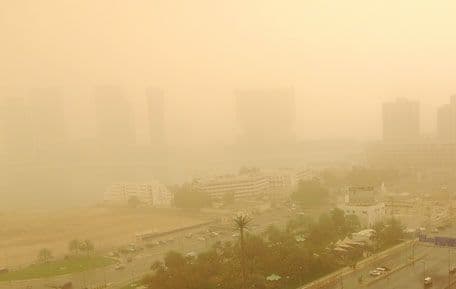
May 28, 2024“It is hot” seems to have become a nationwide anthem, replacing the no-gree motto just as quickly as the heat replaced the harmattan. Nigeria is currently experiencing a heatwave with temperatures soaring over 41°C in the north and 39°C in the south. These figures are expected to rise.
The biggest cause of this is global warming, a significant aspect of climate change. The Nigerian Meteorological Agency (NiMET) blames it on emissions, explaining that the current period of the year need not be so hot. It was however stated that the emissions are not the sole cause; rampant bush burning across Nigeria greatly adds to the fire as does gas flaring in the Niger Delta
41°C is considered very high and dangerous and could lead to medical emergencies. Dehydration is an immediate effect and leads to others such as fainting, heat rash, heat cramps, fatigue, dry lips, respiratory issues, measles, chicken pox, and even death. The situation threatens livestock as well.
Excessive heat affects people of extreme age groups- children and the elderly. And studies have shown that such heat could lead to preterm birth, low birth weights, and stillbirths among pregnant women.
The bad news is that it is expected to get worse; global warming is expected to accelerate every year and NIMET has said that the heatwave will persist.
So while this happens, the priority is to find ways to survive in. Adequate fluid intake is recommended as it is the most efficient defense against dehydration. Wearing lightweight clothing, seeking shade, and utilizing fans are also advised. Furthermore, avoiding strenuous outdoor activities and staying indoors during peak hours, typically from 12 pm to 4 pm, can help mitigate risks.
Though unexpected, the heatwave is here. Let’s focus on surviving it together. By following expert advice and making necessary adjustments, we can weather this intense heat.