
Reading time:5 min read
Ulcer: Causes, Prevention, and Management
HVC
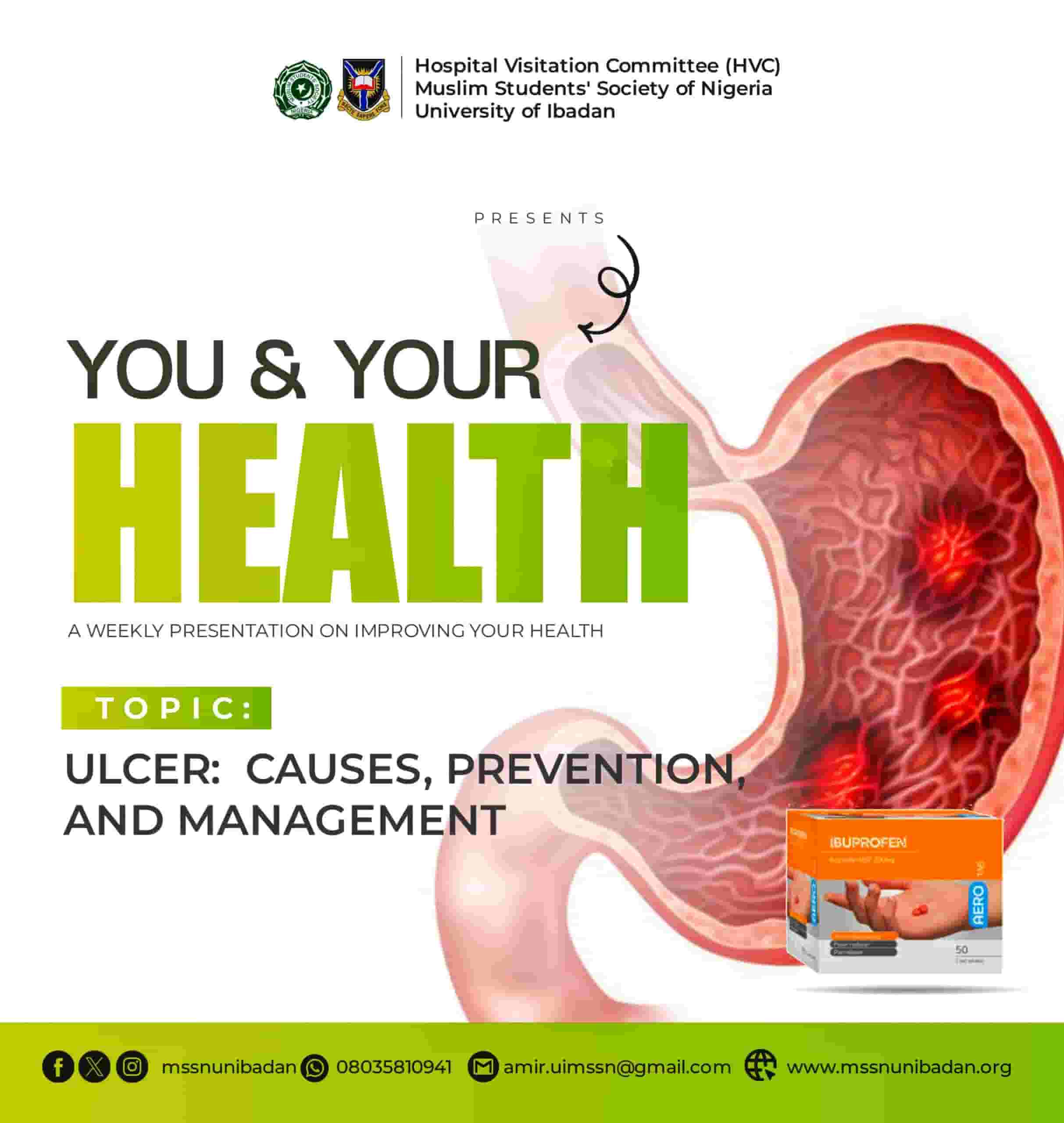
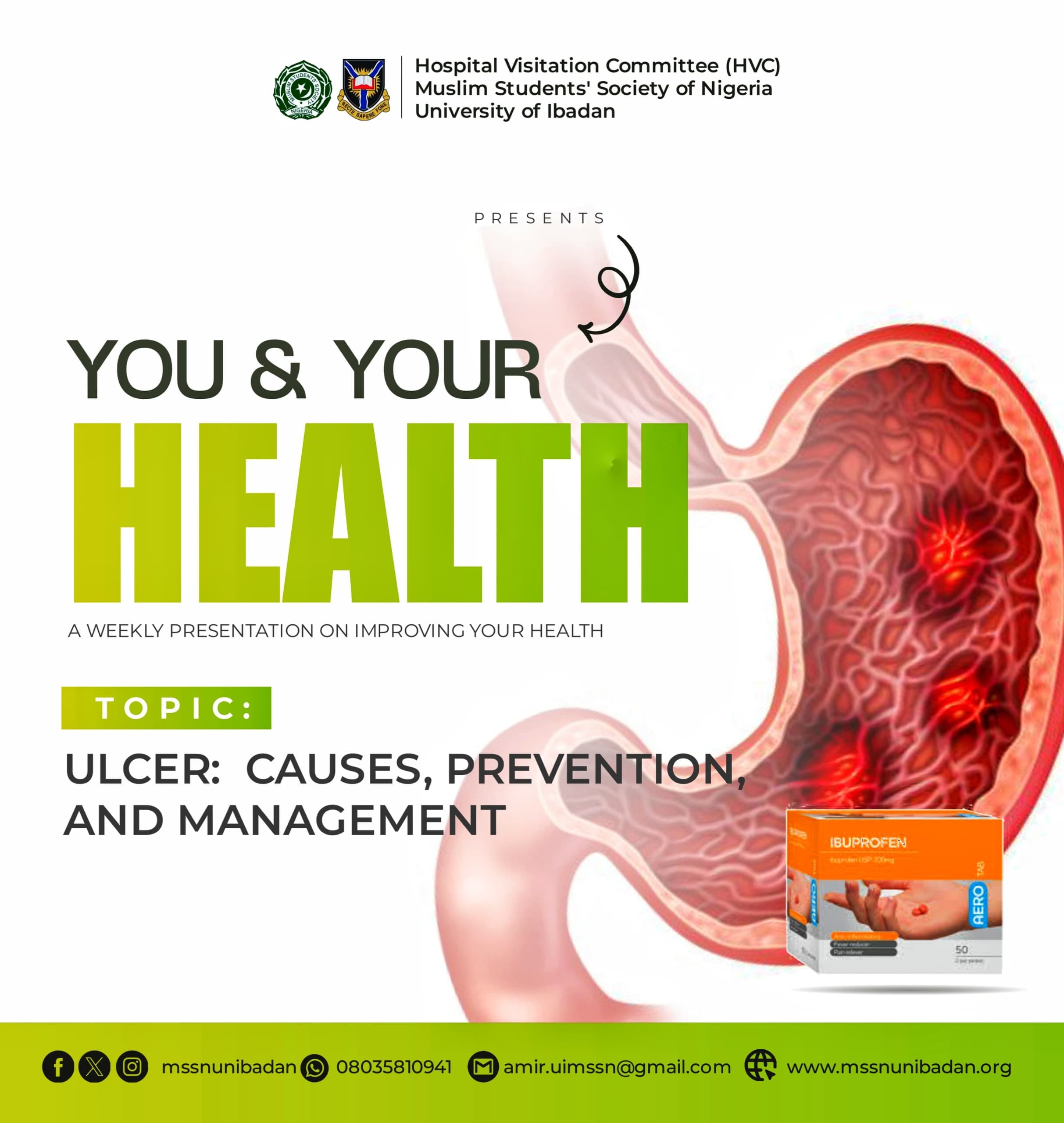
September 14, 2025Peptic ulcer is a disease of the gastrointestinal tract (GIT). It appears as a sore or lesion that develops in the lining of the stomach, small intestine, or other parts of the digestive tract.
Types of Ulcers
1. Gastric ulcer: develops in the stomach lining.
2. Duodenal ulcer: develops in the duodenum (first part of the small intestine).
3. Esophageal ulcer: develops in the esophagus.
4. Stress-induced ulcer: develops due to physical stress, such as severe illness or injury to the stomach lining.
Causes of Ulcer
Ulcer occurs due to an imbalance between the gastric protective (e.g, bicarbonate secretion, gastric mucus) and destructive factors (e.g, H.pylori, stomach acid, and bile). The most common causes of ulcers among students are:
1. A bacterium known as Helicobacter pylori (H. pylori) which resides in the stomach
2. Long-term use of Non Steroidal Anti-Inflammatory Drugs (NSAIDs) e.g Ibuprofen and aspirin , etc. destroy protective stomach lining.
3. Higher hydrogen ion concentrations in the stomach
4. Acid reflux: Stomach acid flowing back up into the esophagus
5. Smoking and excessive consumption of alcohol can also increase the risk of developing stomach ulcers
Risk Factors
1. Family history: A family member with an active ulcer can increase the risk of developing an ulcer.
2. Stress: Stress can exacerbate stomach ulcers.
3. Certain medications: Taking certain medications, such as corticosteroids or anticoagulants, can increase the risk.
4. Underlying medical conditions: Certain medical conditions, such as liver or kidney disease, can increase the risk of developing stomach ulcers.
5. Diet: A diet high in salt, sugar, and unhealthy fats can increase the risk.
6. Gastroesophageal reflux disease (GERD): Having GERD can increase the risk of stomach ulcers.
Signs and Symptoms of Ulcer
1. Feeling pain or discomfort at the abdomen, just above the navel, 1 - 2hours after eating
2. Waking early in the morning by sharp pain above navel which relieved by eating
3. Waking up at midnight due to hunger-like pain.
4. Nausea and vomiting as a result of irritation of the stomach lining.
5. Other chronic symptoms include a burning sensation in the chest, vomiting blood, or passing out black, tarry faeces.
Management of Ulcer
Despite ulcer being a common disease among students, there are some proven ways by which it could be managed. Some of the management tactics includes:
- Lifestyle modification
As an ulcer patient, one's lifestyle can be improved by smoking cessation, alcohol reduction, stress management, and weight loss.
- Dietary Changes
An ulcer patient must watch whatever he takes into his mouth. Foods like probiotics and a balanced diet can also help improve the ulcer condition of a patient while spicy foods can irritate the gastric lining and aggravate an ulcer.
- Avoidance of late meal intake.
- Another way by which ulcer condition can be improved is by avoiding drugs like ibuprofen, diclofenac, and other drugs that can affect the stomach lining.
Complications
If not diagnosed or treated promptly, ulcers can lead to:
1. Bleeding: Ulcers can bleed, leading to anemia or even life-threatening bleeding.
2. Perforation: Ulcers can perforate, allowing bacteria to leak into the abdominal cavity.
3. Obstruction: Ulcers can cause narrowing of the digestive tract, leading to obstruction.
4. Cancer: Untreated ulcers can also lead to gastric or esophageal cancer.
Treatment
1. Ulcers can be deadly. The best treatment for ulcers is to prevent them.
2. Consult an appropriate medical health care for proper diagnosis and right medications to use.
Conclusion
Ulcers are a common but serious condition that, if ignored, can lead to life-threatening complications. Understanding the causes, risk factors, and warning signs is the first step toward prevention and effective management. With the right lifestyle modifications, dietary adjustments, and timely medical care, ulcer patients can live healthy and fulfilling lives. Ultimately, early recognition and proactive management remain the key to keeping ulcers under control and safeguarding overall digestive health.
This is a publication of the Hospital Visitation Committee (HVC) of the Muslim Students' Society of Nigeria, University of Ibadan (MSSNUI).