
Reading time:3 min read
Myiasis: Causes, Prevention, and Treatment
HVC
August 09, 2025Overview of Myiasis
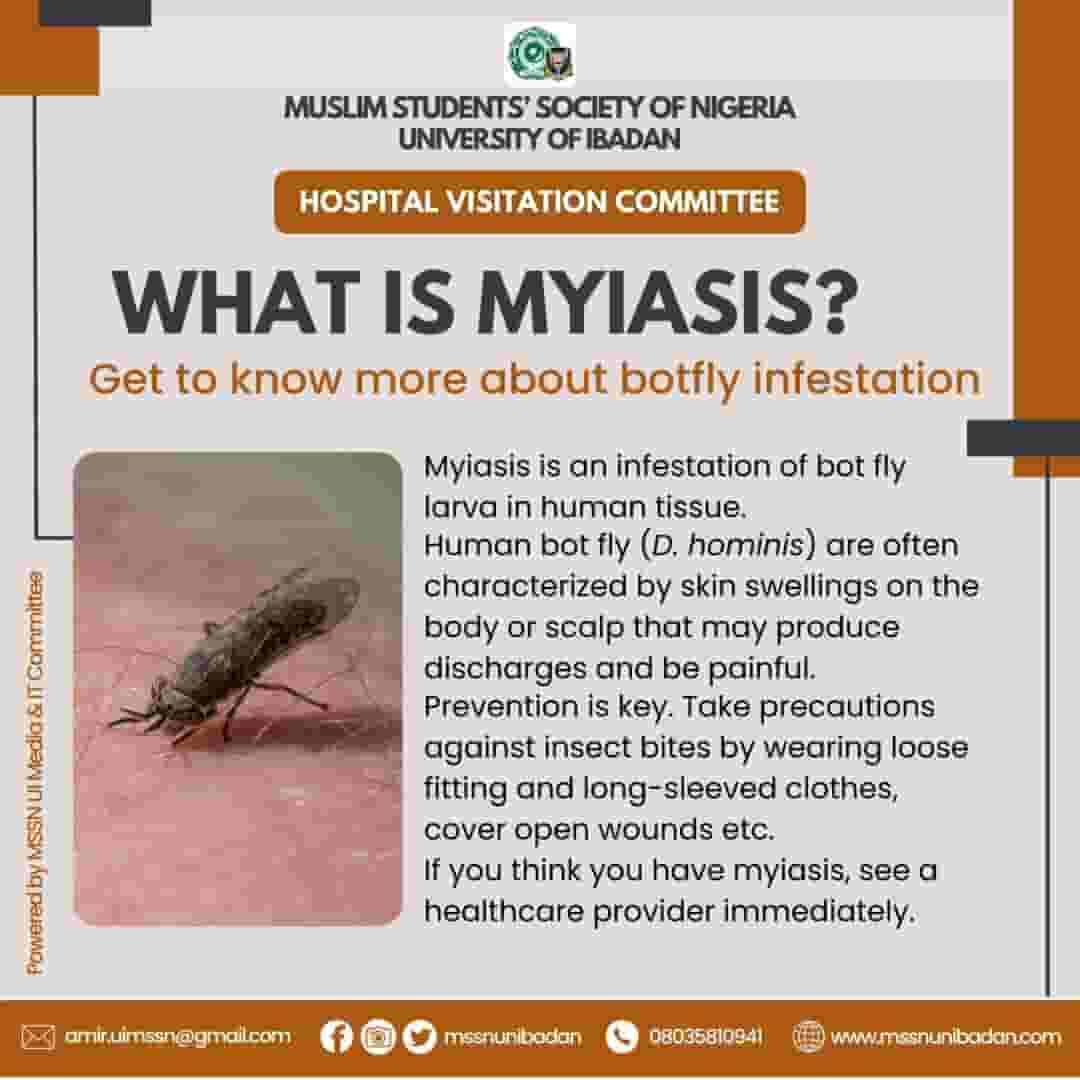
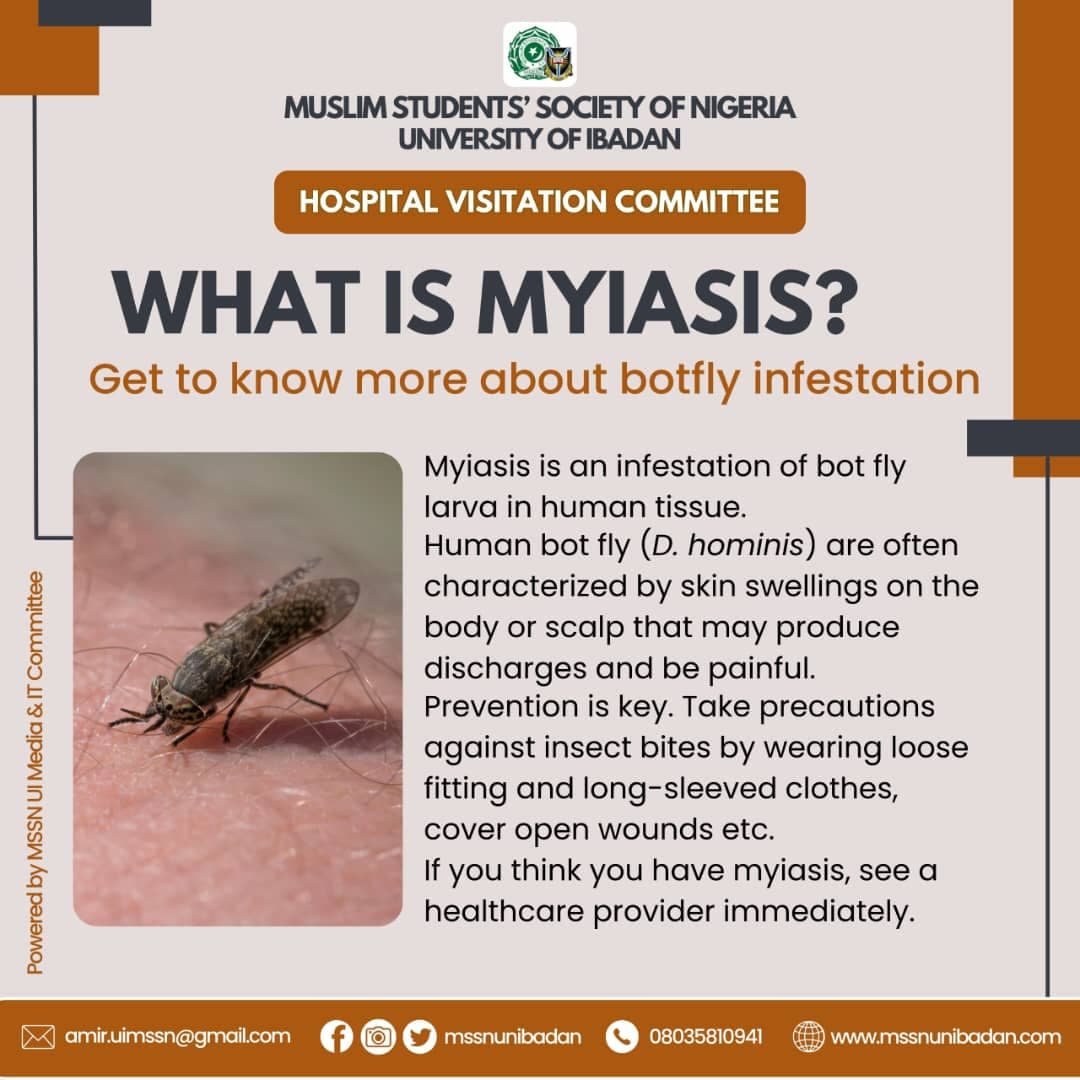
Myiasis is an infestation of bot fly larvae in human tissue. Dermatobia hominis is the primary human bot fly. D. hominis are often characterized by skin swellings on the body or scalp that may produce discharges, and be painful.
People who have untreated or open wounds have a higher risk for getting myiasis when living or traveling in tropical and subtropical areas, in the U.S. and abroad. Myiasis is spread only by flies, ticks, and mosquitoes, it cannot be contracted from another person.
Causes of Myiasis
Myiasis occurs when humans become infested with fly larvae (maggots), which invade body tissues. The causes include:
1. Direct Deposition of Eggs by Flies
Some flies lay their eggs directly on or near:
a. Open wounds
b. Sores
c. Nose or ears
The larvae hatch and invade the skin, sometimes burrowing deeper into body tissues.
2. Larval Transfer via Insect Vectors
Certain fly species attach their eggs to insects like mosquitoes, ticks, or other flies.
When these insects bite a person, the larvae are transferred to the skin, leading to infestation.
3. Contact with Contaminated Materials
In some regions (e.g., Africa), flies lay eggs on:
a. Soil or ground surfaces
b. Damp clothing or bed linens left outside to dry
People may become infested by coming into contact with these contaminated items.
4. Species-Specific Invasiveness
Some fly species, such as Cochliomyia hominovorax and Chrysomya bezziana, are particularly dangerous because their larvae can:
a. Invade living tissue, not just damaged areas
b. Cause deeper and more destructive infestation than other species
Prevention of Myiasis
Prevention is key to protecting yourself from myiasis. Take steps to protect yourself when visiting tropical areas and spending a lot of time outside. Take precautions against insect bites:
a. Wear loose-fitting, long-sleeved shirts and pants to limit areas where you could get bitten.
b. Cover open wounds.
c. Use Environmental Protection Agency (EPA) registered insect repellant.
d. Treat clothing and gear with products containing 0.5% permethrin.
Diagnosis / Treatment
If you suspect you have myiasis, consult a healthcare provider at the university health centre for proper diagnosis and treatment.
If you have myiasis, a healthcare provider will remove the larvae, sometimes through surgery if necessary.
This is a publication of the Hospital Visitation Committee (HVC) of the Muslim Students' Society of Nigeria, University of Ibadan (MSSNUI).