
Reading time:6 min read
Prisoners of Paradise
Misbahudeen Salahudeen
January 16, 2026
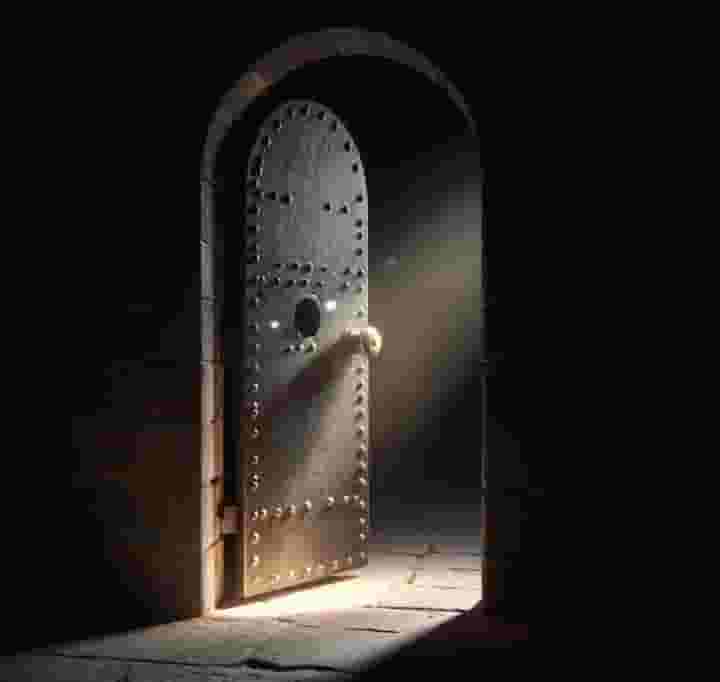
No, never does anything come out of the Prophet (S.A.W) except that it is full of wisdom. When he said, "The world is a prison for the believer and a paradise for the disbeliever" (Ṣaḥīḥ Muslim, 2956), he was not so much painting a picture of unequal conditions; he was relating a truth beyond mere appearance. Yes, the believer may hunger, may suffer trials, may reside within the prison of divine decrees, but his prison is short-lived, brief as the flash of an eye. And the disbeliever may spread his arms freely, may drown in pleasures, and revel in the finery of this world, but his paradise is tenuous, melting like dust before the time.
But how many fail to comprehend this verity? In previous centuries, an Egyptian Chief Judge, Al-Ḥāfiẓ Ibn Ḥajar, was visited by a Jewish oil merchant who ridiculed the ḥadīth with gestures of hands towards the richness of the judge and contrasting it to his poverty. Quietly, firmly, Ibn Ḥajar responded: "What I possess now here, in contrast to the pleasure of Paradise, is a prison". And what you are experiencing now, in relation to the pains of Hell, is paradise." The bluntness of this reply cut to the heart of the man, and he accepted Islam immediately. So great is the potency of this Prophetic adage: it slices away doubt with a knife subtler than reason, uncovering the divine mathematics of things.
For sure, the Muslim moves with equilibrium in this life. He is tied by obligations and incarcerated by restrictions, not because his Lord wishes to smother him, but because flames are worse than chains. He avoids fleeting pleasures, casts down his eye from arrogance, keeps his tongue from lies, and trains his heart against vainglory. What is this prison but a school for freedom? For beyond these walls lies an extent which no vision has looked at, no hearing has heard, and no imagination has conceived.
And the unbeliever? He can mock today, recline at ease, and glory in triumphs. He can indulge the pleasures of this earth without limit, unbound by prayer, fasting, and the burden of God's duty. He believes himself to be independent, but he is hurrying to a time when his so-called paradise will become his enemy. The Qur'an sketches this picture with nightmarish vividness:
“And on the Day that the wrongdoers are led to hell in a procession, 'You spent your worldly lives in enjoyment and enjoyed it in your self-delusion, so this day you shall be rewarded with the torment of [extreme] humiliation because you were arrogant upon the earth without right and because you defiantly disobeyed.'" (Al-Aḥqāf 46:20).
This is no threat in theory. The Prophet (peace be upon him) taught us the piercing truth of that Day: "The most extravagant fellow of the world from among the people of Hell will be brought forward, once dropped into the Fire, and asked: O son of Adam, did you ever find any good? Did you ever enjoy any blessing? He will say: No, by Allah, my Lord.". And the most wretched one of mankind from among the inhabitants of Paradise will be brought forward, and he will be immersed once into Paradise and he will be asked: O son of Adam, did you ever feel wretched? Did you ever feel hard-pressed? He will reply: No, by Allah, my Lord, I never felt wretched, nor did I ever experience hardship." (Ṣaḥīḥ Muslim, 2807).
Suppose one dip that erases a lifetime! What, then, is the value of this fleeting world as compared to the eternity that is to come?
But let not the believer envy the disbeliever's pleasures. The wealth, the smiles, the splurging all are toys of an hour. The believer's confinement is threaded with patience, and patience unlocks the gates of eternity. The Prophet has said: "Paradise is surrounded by difficulties, and Hellfire is surrounded by desires" (Sahih Muslim, 2822). How fleeting, then, are the trials that result in gardens eternal, and how foolish are the delights which produce flames eternal.
No, the captive of the believer is not simple. Inside its walls is the loveliness of faith, the peace of remembering, and the pride of persevering in submission. And although his flesh is bound with affliction, his spirit soars free, freer than that spirit bound by greed, lust, and pride. Real prison is to be enslaved to will, to exist without end, to pursue illusions and shut out the Light. Real freedom is to be a servant to God alone.
Indeed, the believer is burdened in this world. He bears the burden of prayer in the dark dawn hour, the aches of abstinence while others feast, the burden of integrity when others lie, the test of patience when others fail. But each chain is forged of light, and each trial is a seed planted in the field of eternity. When the doors of this prison finally open with death, the believer passes into not loss but liberty, liberty without end, joy without fear, paradise without bounds.
And so, stands the ḥadīth: a paradox to the heedless, a truth to the wise. The world is a prison to the believer, not because it contains no pleasures, but because its pleasures are nothing against what shall come. The world is heaven to the unbeliever, not heaven itself, but the best he shall ever know. Between the two lies the great gulf: temporary comfort and eternal glory, passing pleasure and lasting bliss.
The option is ours. To die captives of paradise tied up for the time being, but headed for liberty or to be monarchs of a transient paradise, only to awaken in chains. Which, then, is the better fate?