
Reading time:2 min read
Powering Nigeria: Exploring Alternative Solutions Amidst Persistent Grid Collapse
Sulayman Musbau
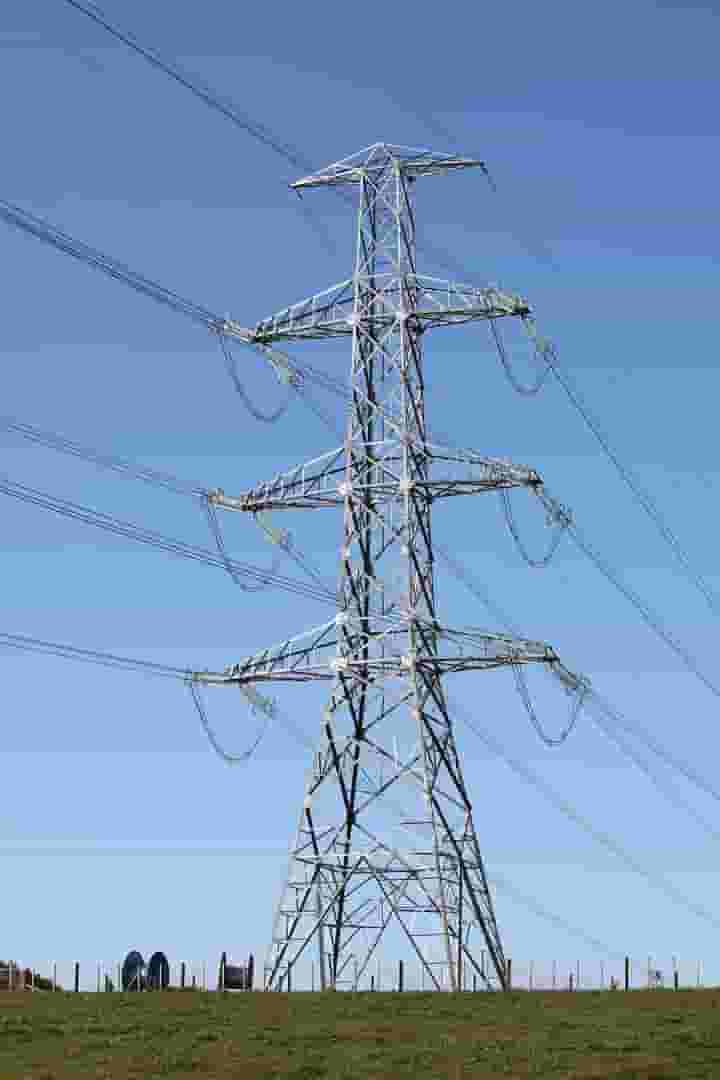
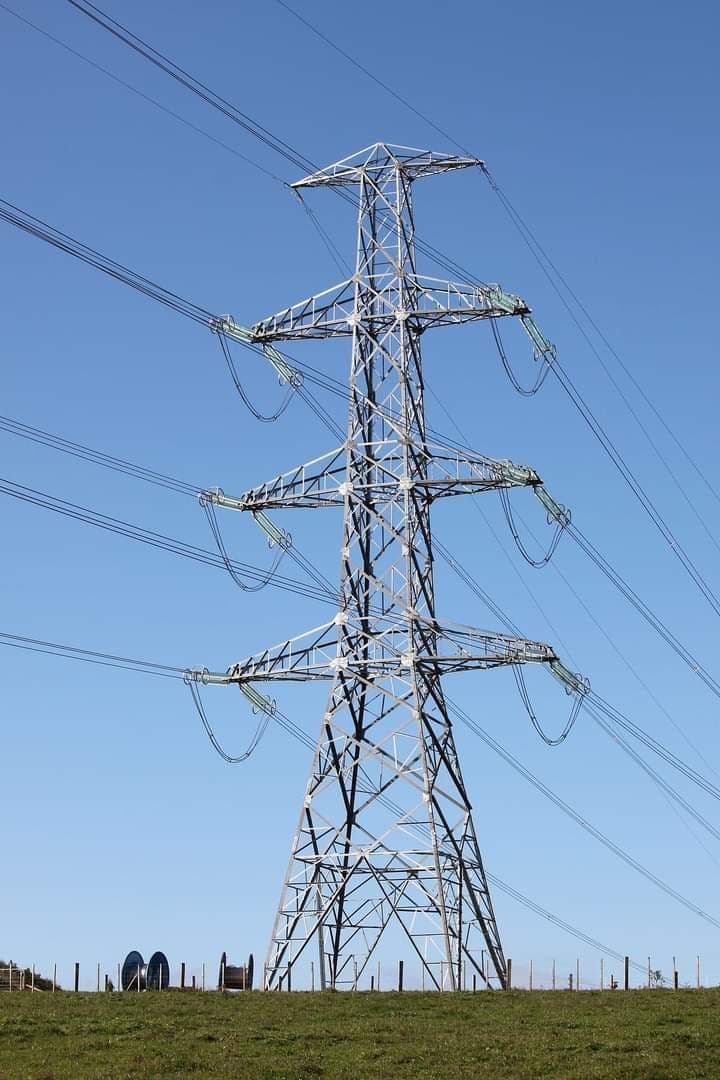
February 16, 2024Nigeria, a nation with immense potential, has grappled with a prolonged challenge – the frequent collapse of its power grid. The repercussions of this issue have spread across society, affecting individuals, business owners, and students alike. In light of the ongoing struggles with inconsistent power supply, it is imperative to explore alternative means of generating power to address the pressing needs of the populace.
The erratic power supply has significantly impacted the daily lives of individuals in Nigeria. Households endure prolonged periods of darkness. This affects basic activities such as cooking, lighting, and entertainment. Also, the reliance on generators as a temporary solution poses economic burdens on families. Moreover, the fuel expense isn’t on the favourable side either.
For business owners, the power grid collapse translates into operational challenges and financial losses. Many enterprises, particularly those reliant on consistent electricity, face disruptions that impede productivity and hinder growth. From manufacturing units to small businesses, the consequences are felt across sectors.
In the face of persistent grid collapse, Nigeria needs to explore alternative means of generating power. Renewable energy sources such as solar and wind power present viable options. Investing in these technologies not only mitigates the impact on the environment but also offers a sustainable solution to the power crisis.
The ongoing grid collapse in Nigeria demands immediate attention and concerted efforts to explore alternative power solutions. By investing in renewable energy sources and implementing supportive policies, the nation can break free from the shackles of inconsistent power supply. Embracing sustainable practices will not only alleviate the current challenges but also pave the way for a brighter, energy-efficient future for Nigeria and its people.