
Reading time:4 min read
Joint Shurah Committee Partners The Da’wah Institute to Train New Officials
Kareemah Kareem
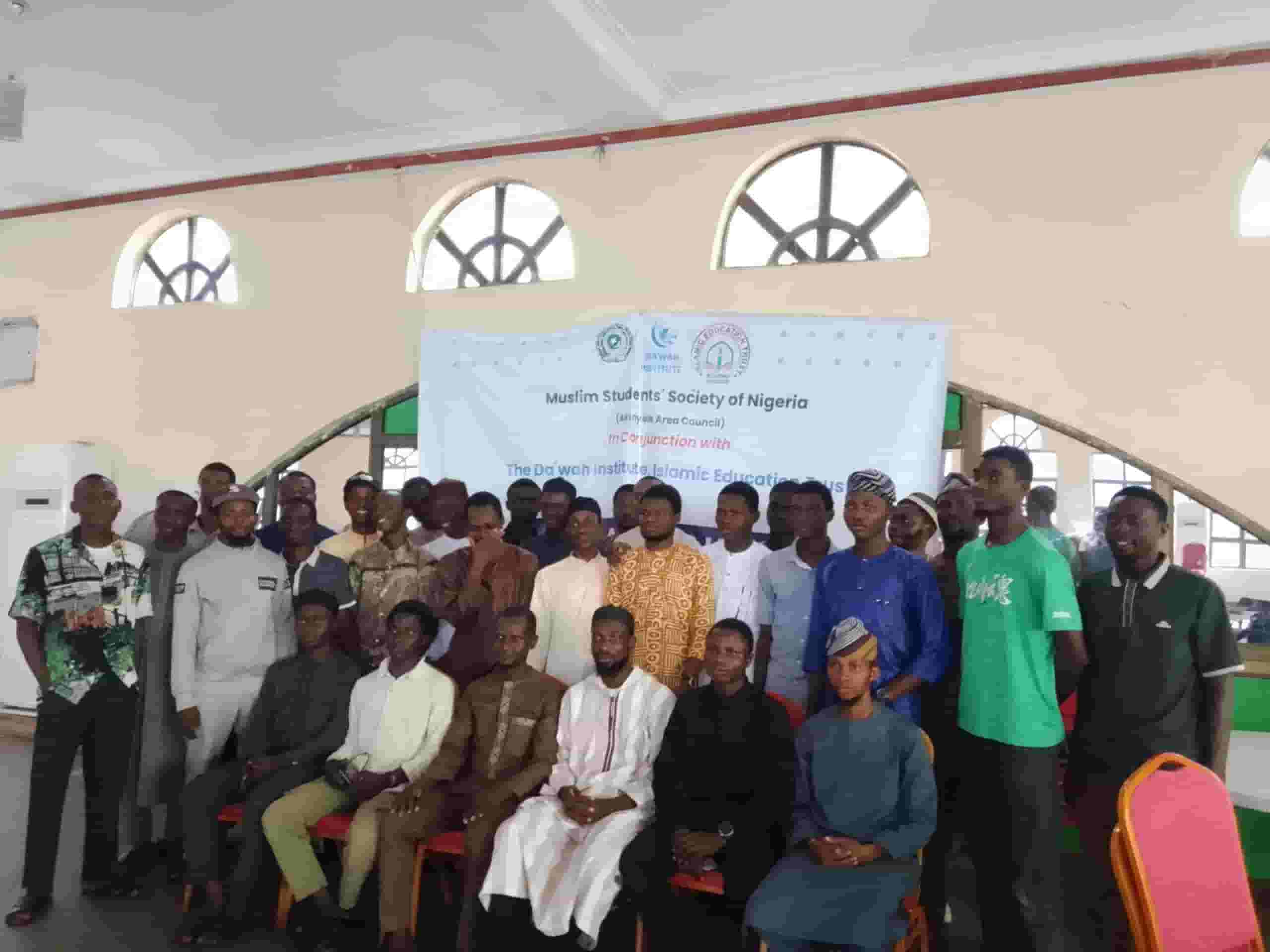
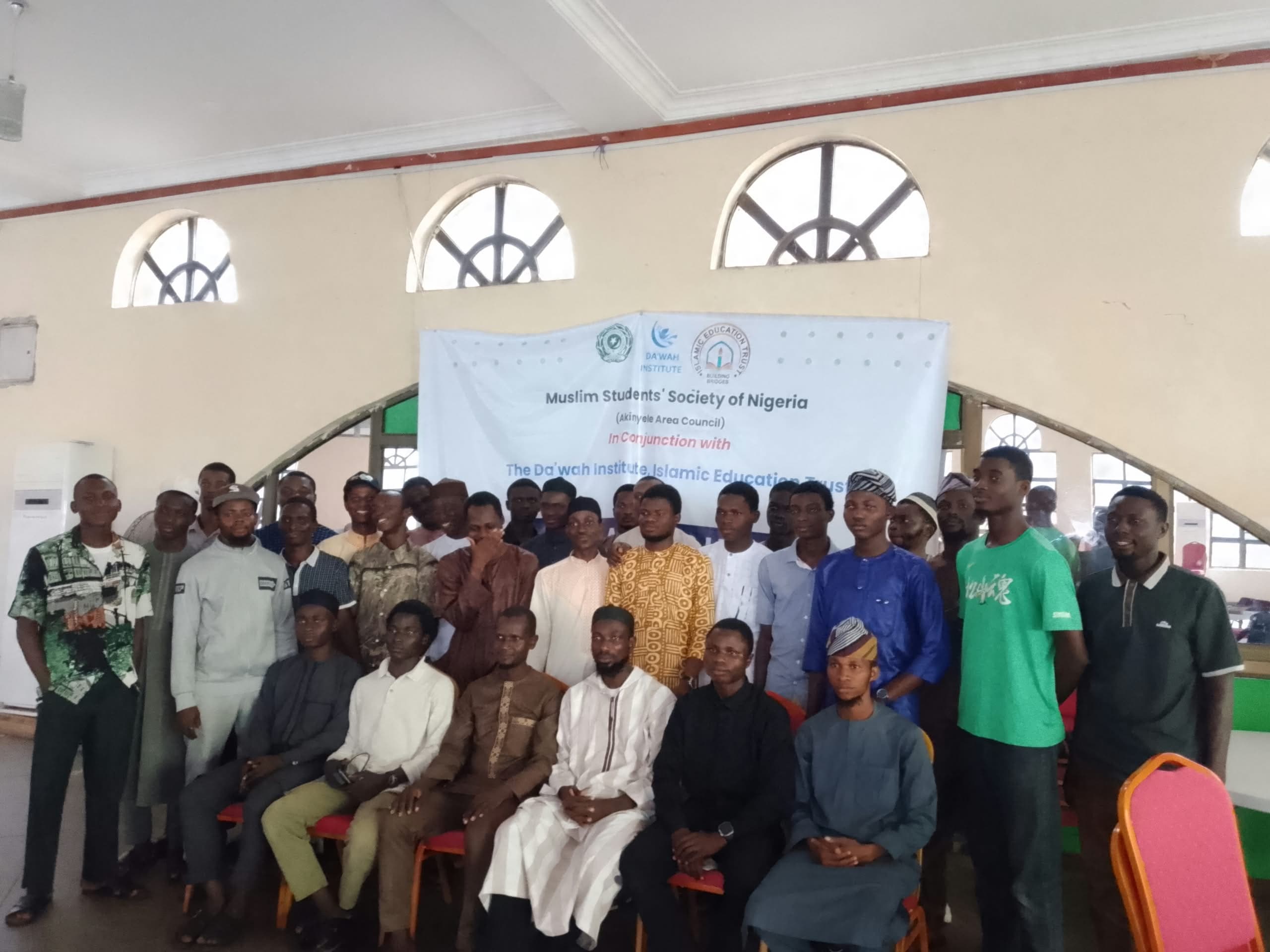
October 04, 2026The Joint Shurah Committee, in partnership with The Da’wah Institute, Islamic Education Trust, Minna has organised a leadership development programme for Muslim Students' Society of Nigeria, Akinyele Area Council and University of Ibadan branch.
The programme, held at the Musa Oladipupo Abdul Civic Centre, University of Ibadan Central Mosque, on Saturday, 3rd October, 2026, featured three sessions focusing on Shariah Intelligence, Stakeholders Management, and Self Leadership.
Speaking on the first session, titled “Shariah Intelligence: An Overview of Fiqh Diversity,” Mr Abdulgafar Oladimeji identified diversity as one of the major challenges facing Muslims today, stressing the need to understand the differences within Islam while maintaining unity.
“One of the biggest challenges we have today as Muslims is managing our diversity and ensuring that we apply Islam in every aspect of our lives,” he said.
He noted that many people, particularly non-muslims, have a limited understanding of Shari'ah, and often, they associate it mainly with punishment. He further explained that Shari'ah is broad and encompasses principles guiding different aspects of a Muslim's life.
Mr Oladimeji further explained that Islamic rulings are derived from sources including the Qur’an, Sunnah, Hadith and Qiyas, among others. He encouraged the officials to understand the basis of their religion before addressing religious matters.
He also stressed that differences in matters of jurisprudence should not destroy the unity of the Ummah, noting that differences based on evidence do not necessarily constitute disunity.
“Differences does not mean disunity; it depends on the evidence of each person,” he said.
In the second session, titled “Stakeholders Management: How to Be a Good Marketer for Islam,” Mr Oladimeji urged the newly appointed officials to conduct themselves properly, reminding them that they represent the Muslim Ummah.
He encouraged them to identify their stakeholders, understand their interests and regard them as partners in achieving organisational goals. He further encouraged officials to seek the guidance and support of the University of Ibadan Muslim Community.
The final session, titled “Leading Yourself: Excelling in Da’wah and Academics,” focused on the importance of balancing academic responsibilities with Islamic activities.
Mr Oladimeji reminded officials that Islam encourages balance, urging them not to withdraw from organisational activities because of their studies and vice versa.
He also described excellence as an important part of a Muslim, stressing that leadership, academics, relationships and service should all be approached with quality and commitment.
“Leadership is an Amanah. Your intention shapes how you use authority, time and influence,” he stated.
Mr Oladimeji further urged the officials to prioritise the goals of the organisation rather than limiting themselves to their assigned roles, encouraging them to speak up when they notice issues that require attention.
He concluded by encouraging the newly appointed officials to remain committed to their responsibilities, stressing that their participation in Islamic programmes is not a waste but an investment in themselves and the wider Muslim Ummah.