

Reading time:12 min read
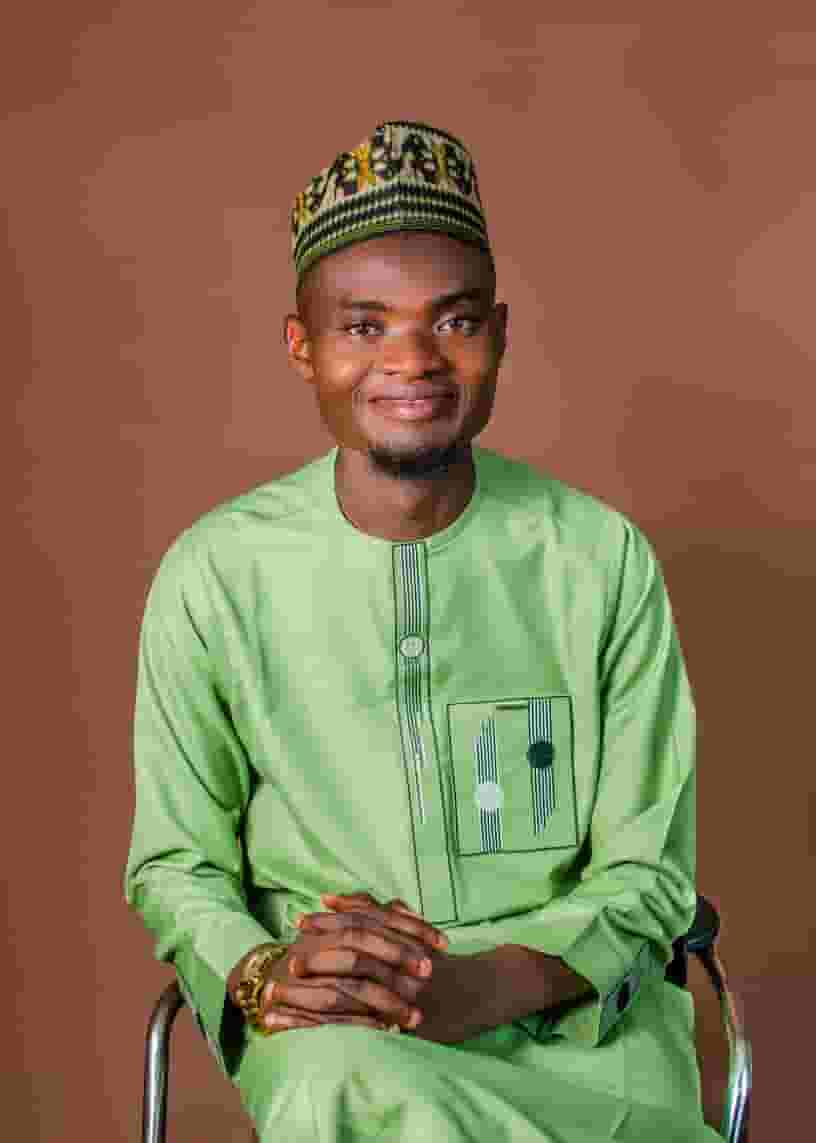
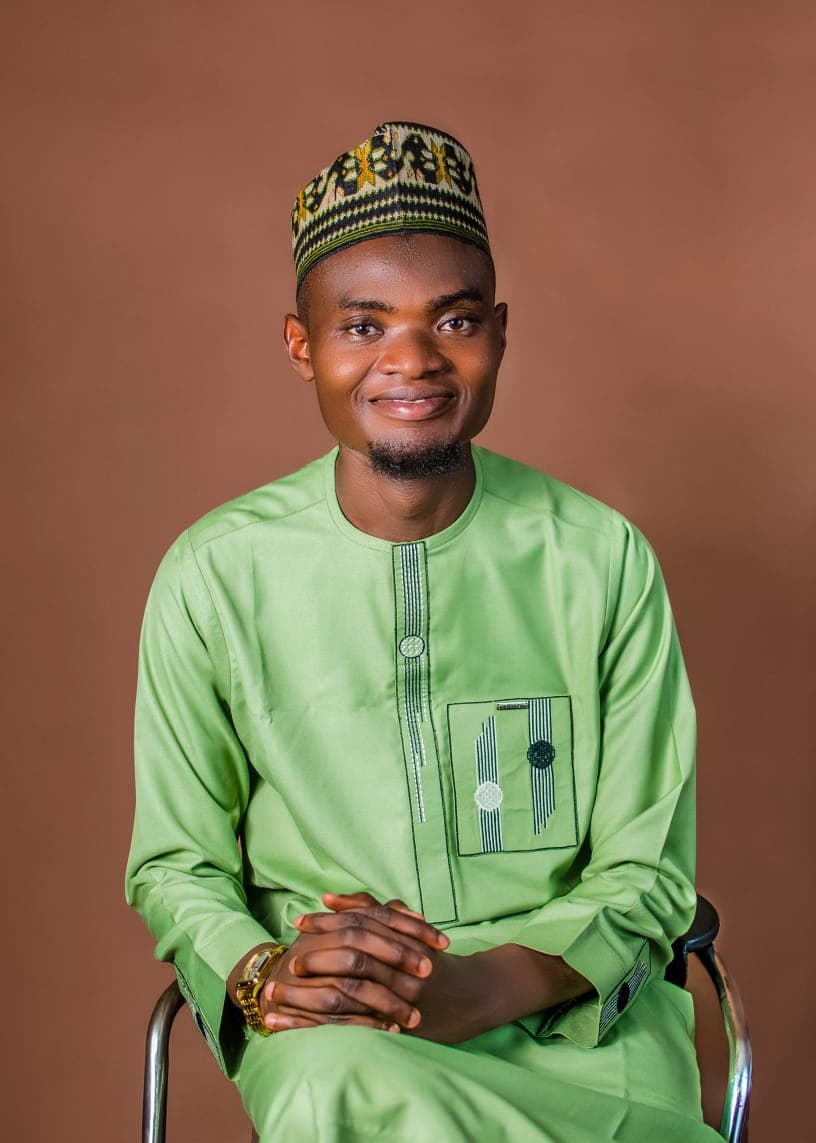
Interview: “If I Couldn’t Graduate as BGS, Nothing Must Happen to My First Class” — Imam Sulayman Abdulrofiu, Former Nāibul-Ameer
Abdulkabir Adeshina
November 13, 2025In this interview, Imam Sulayman Akanji Abdulrofiu, a First-Class graduate of Education and Islamic Studies and two-time executive of MSSNUI, reflects on his journey through academics, leadership, and service. He speaks about balancing responsibilities, overcoming challenges, and the lessons that shaped his growth. He also shares practical advice for students and insights he believes will benefit the Ummah.
Congratulations on your convocation, how does it feel to be a graduate?
Thanks a lot. May Allah continue to bless us in all ramifications.
Well, it's not easy to be a graduate; it calls for serious planning and sincere dedication to the Most High in navigating the journey of life out there. In fact, the journey after school is even more demanding than school itself because that is where real life begins.
Besides being a two-time executive of the society, do you have any other engagements or commitments during your undergraduate studies?
Yes, I had. I was an Arabic and Islamic tutor before securing admission into the University of Ibadan to study Education and Islamic Studies. During my 100 and 200 level days, I used to go home every weekend to attend to my students until I got my first appointment as the Circle of Learning Coordinator in 300 level. That was why my plan changed to holding online classes, although they were not very active, so I resorted to organizing Arabic lessons for people off campus.
Each time some of my classmates had issues with their Arabic or Islamic courses, I was always available to assist them to the best of my ability. During my final year, I was appointed under the Brazen Administration as one of the NUESA stakeholders representing the Faculty of Education. By implication, no one in our faculty could vie for any post without first being screened by us.
In the same vein, I served as the Principal of Mahadu-Da‘wah wal-‘Amal bil-Kitāb was-Sunnah, founded by Shaykh Qosim Muhammad Hadi Al-Misry, at Molarere, Ibadan, for eight months while I was the Naibul Amīr of MSSN UI.
In addition, I was a member of Adh-Dhikr press until 400-level.
How were you able to strike a balance between academic demand, your duties as an executive and your other engagement?
Hmm… This is a big question that should be answered by serious-minded people (lol), not by an unserious person like me.
Let me say I am a product of divine grace. Before accepting or taking up any appointment, I usually plan carefully, and nothing distorts my plan except in exceptional cases. I remember giving three conditions before accepting my first appointment in MSSN UI.
The first was that my opinion should count whenever I notice anything contrary to Islamic teachings.
The second was that I would reject the appointment if it affected my academic journey.
And the third was that I would serve for just one year.
I do not procrastinate because anything worth doing is worth doing well, and any task that needs to be executed today must not be postponed till tomorrow — surely, tomorrow has its own plans.
Another important principle I applied was the scale of preference. I hardly attended outings while serving as an executive in MSSN UI except those that were very important or mandated by the Amīr. I also stopped washing my clothes and cooking while in 200-level because I believed there were alternatives that could help me maximize my time for more important things.
I also embraced the power of delegation because I knew I could not do everything alone, and that relieved me most of the time. Yes, I may not be very serious, but I moved with serious-minded people who served as a source of motivation for me in maintaining a balance between administrative responsibilities and academic commitments.
What are the challenges you encountered and how were you able to overcome them?
To start with my academics, whenever I had issues with any course, I would consult my brilliant colleagues for solutions. Due to administrative responsibilities, I could not always keep up with classes by writing notes and doing related tasks. However, I always told some of my serious colleagues, like Ustadh AbdulRoqeeb, the BGS of Islamic Studies; Brother Abdurrosheed; and Sister Azeezah Olaleye, to ensure their notes were complete and well-detailed. So, whenever tests or examinations were approaching, I would photocopy all their notes.
I used to be the best student in my department during my 100 and 200 levels, but when I got to 300 level, the tasks became more demanding. Still, I told myself that if I could not graduate as the BGS, nothing must happen to my First Class, and Allah granted that request.
In fact, most of my lecturers in the Department of Islamic Studies used to ask about my CGPA the way a husband asks his pregnant wife whether the fetus is kicking. That constant interest kept me on the right track and determined to maintain academic excellence.
Regarding the challenges I faced while serving under MSSN UI, when I came on board as the Coordinator of the Circle of Learning, I noticed that the number of students was very low, not up to 60 at that time. I became curious and inquired about the reasons behind it. The issue was later addressed, and by the end of my appointment, the number of active students had increased to 156.
Whenever I assigned tasks to my tutors, I always made alternative arrangements so that, in case anyone could not fulfill their duty, the work would still be completed without stress.
There were also challenges in the faculties, while serving as the Naibul Ameer such as sisters wearing Niqob not being allowed to enter halls for tests and examinations. But with the help of Allah, through my Amīr, Musa Sodiq, and other executives, at CDC and CEC levels those issues were resolved.
In short, all the challenges were overcome with resilience, prompt action, and answered prayers to our Creator.
What is your most memorable experience as an executive of MSSNUI?
There are many, but let me mention just one, it was when we were preparing for the first external task of my office as the Naibul Amīr, which was the Rural Da‘wah.
We faced challenges right from finances to securing a suitable venue. Many locations were suggested, but when we eventually got to Ibn Ballo along Gbedun which we later used through the support of one of the most dedicated coordinators of my administration, Ustadh Ridwanullah “Majeobaje”, the principal received us warmly and granted us full permission to use the school. The founder, Dr. Ibrahim Adelani, also supported us. However, that opportunity only came after we had toiled through several towns and villages around Amuloko.
We visited places like Aba Buraimoh, the oldest village in the area, and Aba Elese Erin, where we met Ustadh Asukariy, who later referred us to the venue we eventually used. I remember vividly that it was on a Friday — we even reached a village called Ajibode, where I was unexpectedly honored to lead the Jumu‘ah prayer.
Indeed, Allah bestowed His assistance upon us after we had been moving around the villages for about five hours. My successor, Imam Hussein Mubarak, will surely remember this experience because we embarked on that journey together that day. Truly, success comes from Allah alone.
You are known for your excellence performance in ASSE. What are the habits or principles that helped you maintain such academic excellence?
Well, as I said earlier, success comes from Allah alone. I do not have a specific habit in navigating my academic journey, but I mostly work with a to-do list and ensure that I concentrate in class. All my assignments are always completed, and I read at the right time, but I never copy other people’s reading styles; I stick to the one that works best for me.
The funniest part is that many people do not even know when I read. In fact, I remember one day when we, the MSSN UI executives, went to visit Dr. Ibrahim Adelani. Ameer Ibrahim Obakemi jokingly asked in Yoruba, “Ṣe Na’ib ma n kawe sha? Igbà wo ni wọ́n ma n kawe?” (Does the Na’ib even read? When does he ever read?). Before I could respond, Ameer Musa Sodiq interjected, saying, “Na’ib wonì o kì kawe? Na’ib, ẹ sọrọ, ṣe ẹ kì í kawe ni?” (Na’ib, do they say you don’t read? Because he actually knew when and how I used to study.
This was because I never read in noisy environments or in places where I would become a point of attraction. My favorite reading spot during my undergraduate days was the Kenneth Dike Library, University of Ibadan. Above all, I constantly supplicated to Allah to grant me success in everything I did.
How is life outside the university compared to while you were on campus?
Life outside the university is the real life. However, for a visionary person, one can begin building life after school right from the time spent in school.
As for me, it has been going well because, initially, I had already been preparing for this stage before finally settling into it. There is freedom now — no one asks me to submit assignments at a prescribed time. I wake up when I choose to, and there is more room to think deeply about how to become a successful person in life.
After school, the next goals are to make a decent living, build a fulfilled family, and give back to society.
So, the theories taught in school are now to be implemented in real life.
What advice do you have for students who have been appointed to an executive position and are determined to excel in their studies?
1. They should be sincere in the roles they are given.
2. They should plan very well to strike a balance between their administrative roles and academics, being aware that they are not ordinary students but students loaded with responsibilities. One should ensure that their duties do not negatively affect others. We are Muslims and are expected to excel in all fields of life. This is why the Prophet ﷺ said: “Verily, Allah loves a servant when he works, he perfects it.”
3. People are watching them to see the results of their appointment and academic performance, so they should be careful in executing their duties and pray to Allah for divine success.
4. They need to have a role model and mentor to guide them through their studies.
5. Last but not least, they are expected to be inquisitive about what they do not know in order to achieve excellent results.
After all these efforts, whatever the results they achieve will be their destiny.