

Reading time:11 min read
“I’ve Always Been Naturally Sociable” — Ibrahim ‘Biggie’ Adekunle
Barokah Olayode
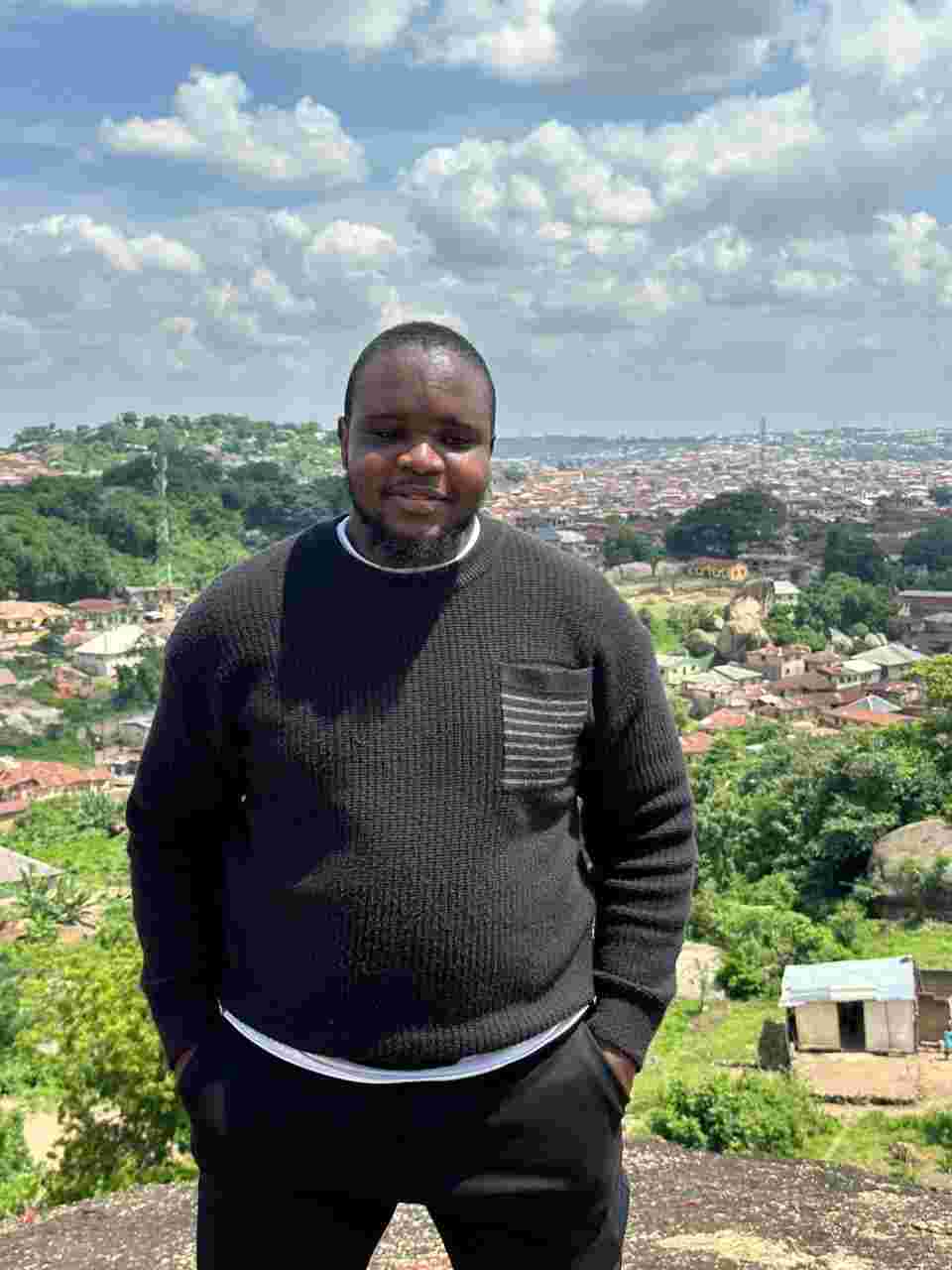
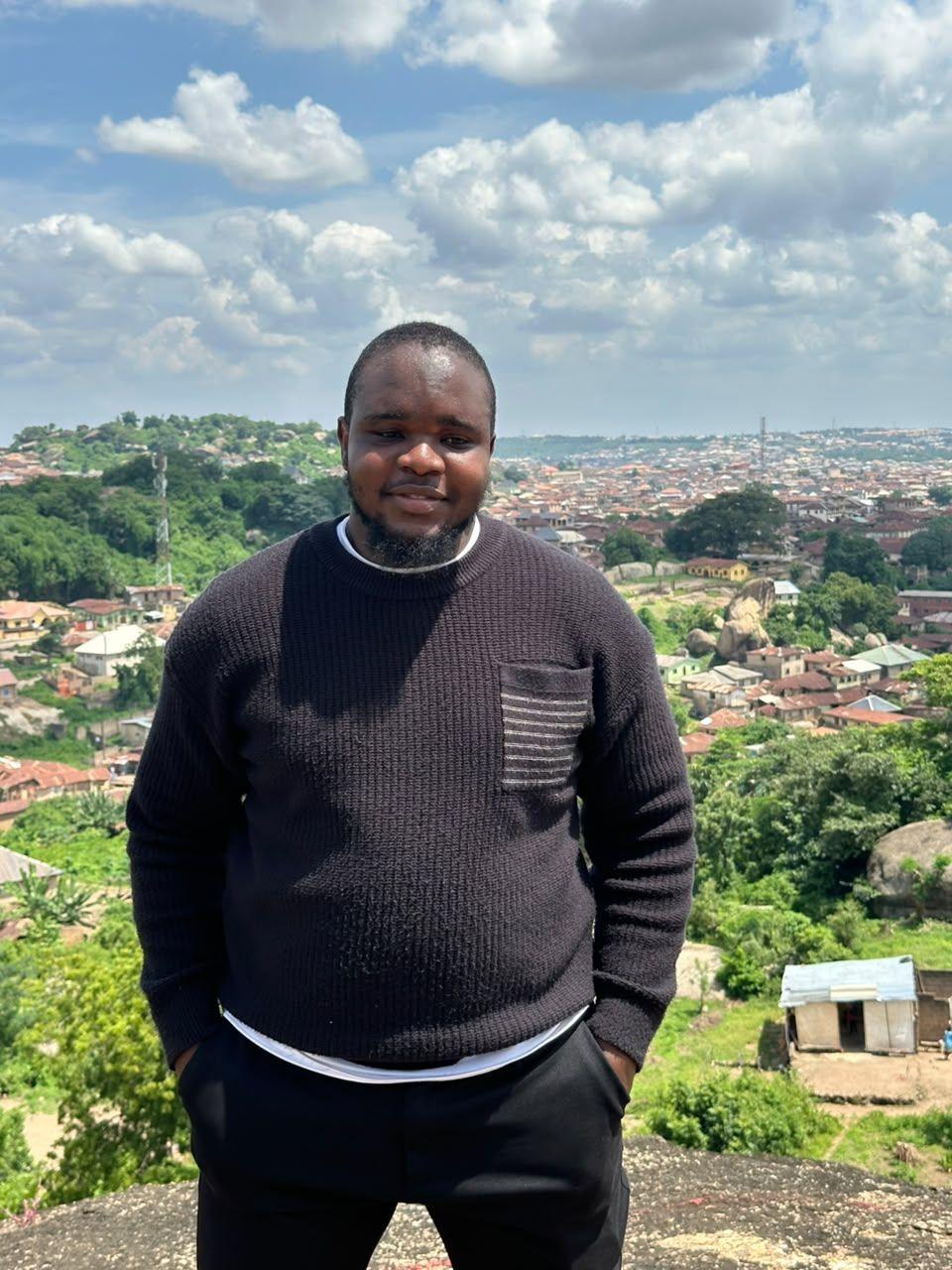
January 15, 2026Ibrahim Adekunle, popularly known as Biggie, is a final-year student of Microbiology at the University of Ibadan and the immediate past Social and Welfare Secretary of the Muslim Students’ Society of Nigeria, University of Ibadan (MSSNUI). In this interview, he reflects on his journey through student leadership, the lessons of service, his social life and the experiences that have shaped his university years.
You are at the tail end of your journey at the University of Ibadan. Looking back, how would you describe your experience from resumption as a fresher to writing your last paper?
Omo, that’s a lot oooo.
I would say it was an awesome experience, especially when, at one point, I was appointed as one of the executive members of the Muslim Students’ Society of Nigeria, University of Ibadan branch. I had the opportunity to meet great people throughout the three regimes I served, both my fellow executive members and the society at large. I also had the chance to learn how to relate with people and lead people with mindsets and views that differ from mine, and this was one thing I am most thankful to Allah for, apart from having a platform to serve Allah.
How did your journey with the Muslim Students’ Society of Nigeria, University of Ibadan (MSSNUI) begin, and what initially motivated your involvement in the Society?
My journey with MSSNUI started when I was in 100 level during the eight-month strike, when one of the wonderful brothers who was appointed as the Logistics II for the Ramadan Planning Committee approached me and requested that I kindly join the RPC family so as to help with the duties of cooking for Muslim students during Ramadan. At that point, I accepted because I didn’t have anything to do in school at that moment, and the brother also mentioned to me that it was an opportunity to get a massive reward from Allah, which was one of the greatest things that motivated me to serve Allah. After that, I was also appointed as the Welfare Head I of the next year’s Ramadan, after which Allah appointed me to be one of the executive members, and that was my 100 level second semester.
You served as an executive for three different administrations. What was the experience like serving in these various capacities?
Hmmmmmmm. Honestly, I had a lot of experience and it is so hard choosing one, for real. But then one of the experiences that lives rent-free in my head was the one I encountered during my second regime, which was the first time I was appointed as the Social and Welfare Secretary. I really had a hard time navigating how to manage people and how to liaise between members of the society, both in the committee and those who are not, with the Central Executive Council members in carrying out societal functions or duties. It got to a point where I was told to read a certain number of books to learn how to lead humans, and alhamdulilah, it worked to the extent that people wondered how I got better within a few times.
From these leadership roles, what key lessons did you learn about responsibility, people management and service to others?
The major thing I learnt would be being diplomatic and patient in every situation, especially when you are dealing with people with different views and perspectives.
Is there a particular event or situation where you had to deal with someone with a very different view or perspective, and how did diplomacy and patience help you resolve it?
Omo, can I remember anyone sha? Because it is always situations that don’t call for attention, but you know how people, humans, act, especially when it comes to kitchen matters.
The Social and Welfare Office is often demanding and stressful, with high expectations and criticism at times. Were there moments that stood out as particularly challenging during your tenure, and how did you handle them?
I would say the moment that stood out as most challenging was during the time the office was saddled with the responsibility of creating a food drive for Muslim students. It was so hard getting donors for the cause, and it brought a lot of queries from fellow executive members on why there was a delay in carrying out the project. But then I thank Almighty Allah for making the project successful through the help of some of the CEC members who gave me ideas on ways to source for funds without using the already known ways, which are mosque visitation and market visitation.
You are known to be quite jovial and socially active, enjoying outings, parties and connecting with people. Has this always been part of your personality, or did your leadership experience help shape this side of you?
I don’t know the kind of parties you meant, though, but to the rest of the question: I’d say it’s a bit of both. I’ve always been naturally sociable and comfortable around people, but my leadership experiences really refined and deepened that side of me. Stepping into leadership roles pushed me to be more intentional about connecting with others. Over time, I learned that being jovial and socially active isn’t just about having fun; it’s a powerful tool for building trust, easing tension, and bringing people together around a shared goal. This really helped me in coordinating the committee members. Being a member of the Executive Council for MSSNUI didn’t change who I am at the core; it helped me channel my natural personality in a more purposeful and impactful way, one of which is the Brothers’ Pentagon.
In what ways did your social nature influence your leadership style and your relationship with members and colleagues?
Hmmmmmmm, my social nature significantly influenced my leadership style by making it more inclusive, approachable, and collaborative. I naturally enjoy interacting with people, which helped me build strong relationships with members and colleagues based on trust and mutual respect. This openness made it easier for others to share ideas, concerns, and feedback without fear of judgement. Being socially inclined allowed me to communicate expectations clearly, resolve conflicts diplomatically, and motivate team members through encouragement rather than authority, especially with committees. I was able to understand individual strengths, personalities, and challenges, which helped me delegate responsibilities more effectively. Overall, my social nature fostered a supportive environment where members felt valued, heard, and willing to work together towards shared goals.
You are a co-founder of Brothers’ Pentagon, often described as an adventure-based organisation. How did that experience come about, and what purpose did the initiative seek to serve?
First of all, I would love to correct a popular misconception about Brothers’ Pentagon, which is that Brothers’ Pentagon is an adventure-based organisation. Truly, one of the aims of the company is to create a space for adventure that would give the masses a masterpiece and great experience of nature, but there is more to Brothers’ Pentagon.
It all started at MSSNUI. Normally, my close friends and I, who all served Allah through MSSNUI, used to have something we called Brothers’ Day Out, where we just got to have fun and discuss random stuff. On this great Friday in September, after Jumu‘ah, we were having our Brothers’ Day Out when one of us suggested we have a business together as friends. Then we all started bringing different ideas, which we later concluded on having a brand that helps to close some gaps and solve problems in the logistics and transportation industry. So Brothers’ Pentagon is a company based on logistics, transportation, and safe tourism.
You were also an active student of Madrasah alongside your academics, leadership duties and social life. How were you able to balance these responsibilities without losing focus?
Balancing different responsibilities without losing focus is such a difficult task, to be very honest. But one thing I do is to give priority to each responsibility and also endeavour to remove myself from doing things that are not beneficial to my outlined goals, while ensuring that I manage my time accurately, effectively, and efficiently.
You have always appeared confident and comfortable in your identity, including your body image. Did this confidence come naturally, or did it develop over time through your campus experiences?
Yeah, the confidence isn’t just natural; it’s something I tried to develop from my secondary school days, and I was able to build it more when I got to university.
As you transition from student leadership into life after graduation, what lies ahead for you, and what advice would you give to students who want to lead, grow and still enjoy their university experience?
As I transition from student leadership into life after graduation, I look forward to applying the skills I have gained, such as teamwork, communication, and responsibility, in my career and personal development. Student leadership has prepared me to adapt, learn continuously, and contribute meaningfully wherever I find myself.
To students who want to lead, grow, and still enjoy their university experience, I would advise them to stay balanced. Be intentional about learning, serve with sincerity, and don’t be afraid to take on responsibilities, but also make time for friendships, rest, and self-discovery. Leadership is most impactful when it is guided by purpose, humility, and a genuine desire to grow alongside others.