

Reading time:5 min read
From Whole Foods to Ultra-Processed Foods: A Threat or Not?
Kafilat Kareem
May 22, 2026Imagine a familiar spot on campus that is always busy, always smelling of something fried and fresh. There is also a mallam who sells watermelons outside - red, fresh and whole. So would you stop for a moment and ask yourself whether to choose the watermelon or just go for the fries and the cold drink? Most of us would prefer the second choice. Our cravings win nearly every time we want to make eating choices.
Recently, I had a conversation with a friend, and he told me that his grandfather was 90 years old and still active, while his aunt had just passed away at 125. I was surprised and began to wonder: what were these people doing that we are not?
The next day, during a class, one of my lecturers said, "there is an amazing societal shift from whole foods to ultra-processed foods, which is one of the leading causes of several cardiovascular diseases that we hear of today." That is where my answer to the last question came from, it was not because these people took a supplement or hit the gym. Yes! They decided on healthy and wholesome, culinary prepared foods. They cooked. Not like the rushed cooking we do, preparing whatever is quickest before heading to class. They actually prepared efo riro, which can take time, and soups where you know exactly what goes into the pot. They fed on what they knew, what they could trace, and many of them lived long and active lives, sometimes lasting over a century.
This long lifespan is not just a fluke. It takes place when we know what we are eating. Then there are many of us, eating snacks between classes, grabbing whatever is convenient at the cafeteria, drinking more soda than water most days, and so on. I am not an expert in judging, but to be honest, that is a lot of student life. This has more negative impacts than we often realize.
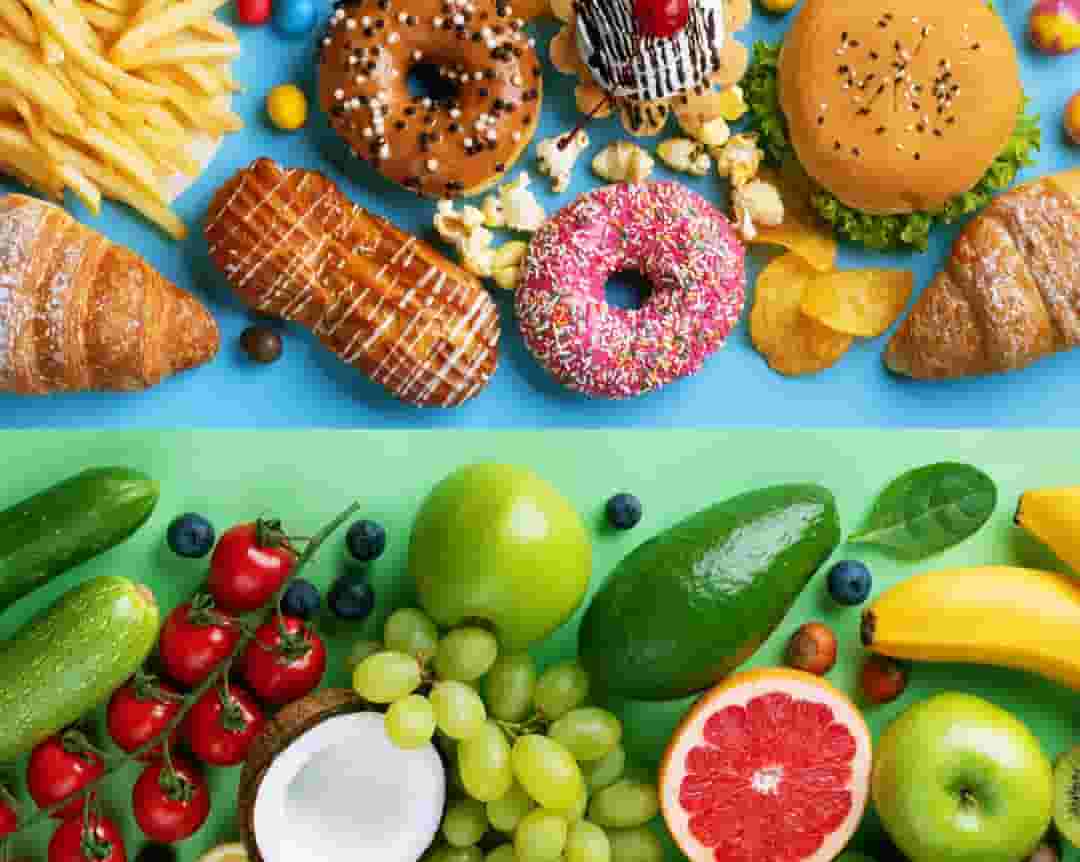
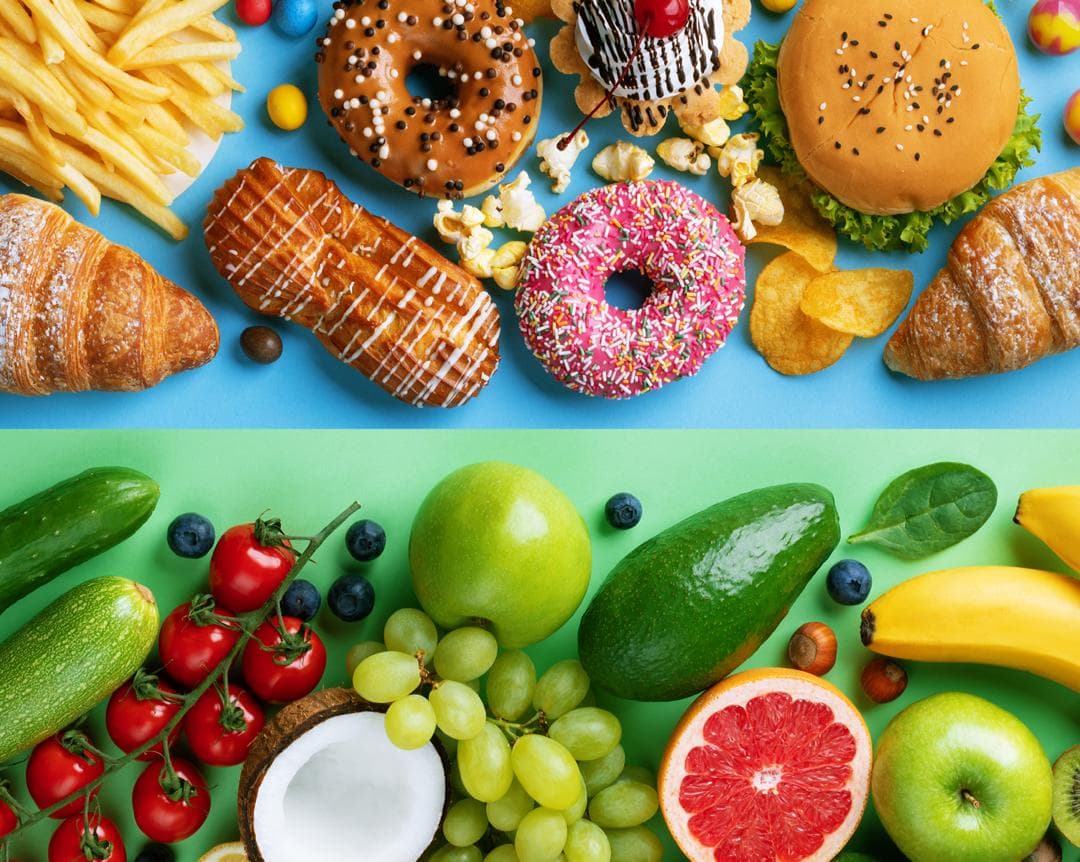
These foods are typically easy to prepare or eat and are sweet and refreshing, they are called Ultra-processed foods (UPFs). Ultra-processed foods (UPFs) are not limited to packaged foods. They are foods that have been processed in such a manner by industries that the authenticity of the nutrients originally present in the whole food becomes questionable. These foods are typically flavoured with sweeteners, preservatives and a number of other additives that give them a good taste and make them last longer. They are usually low in fibre and nutrients but high in sugar, saturated fat and salt. These properties make you eat the entire snack and still crave for more. Over time, this becomes concerning as they are found to be one of the risk factors that contribute to cardiovascular diseases, diabetes, hypertension, and obesity. Once associated with older people, these conditions are no longer limited to old age; they are now appearing in many young people due to their food choices.
However, UPFs are not all bad. They help reduce food waste, make cooking faster, and make food more affordable, among many other benefits. It is not because they are present, but it is the fact that we have unconsciously turned them into a staple food in our everyday life. There is no balance anymore. We are no longer eating UPFs occasionally alongside real food, we have reached the stage of fully replacing whole foods with them. So how about if UPFs were classified as a drug? Each drug comes with a dose, a warning and a definite warning of what occurs when more than the suggested dosage is taken. What if UPFs could have this same principle, where a bottle of soda would have it written that ‘excessive consumption increases your risk of hypertension'? Would students still buy as many? Maybe, maybe not. At least, the decision would be made with knowledge.
The better option is to take pleasure in purchasing fruits for snacking occasionally, cook in large batches on days when there is time and preserve them properly, and drink more water than soda. Always read snack and food labels before eating them; if half the ingredients on the list are unrecognizable, then think carefully about your choice. Our grandparents did not have any of these things, no gyms, no apps to follow a diet, no wellness posts flooding their timelines. Only food they knew and time spent in preparing it. Observe their long, productive and active lives.
That mallam’s watermelon will always be there. The real question is whether we will choose it.
• Kafilat Kareem is a final-year student of Food Technology at the University of Ibadan.