

Reading time:3 min read
Strike Culture in Nigerian Universities: Who Really Suffers?
Adh-Dhikr Press Editorial Board
May 22, 2026Whenever news of another strike action breaks out on campus, reactions differ. Some students celebrate the possibility of an unexpected break from classes, while others immediately worry about what comes next. But after the excitement or shock fades, reality settles in, and that reality often falls heavily on students.
People often discuss strikes from the angle of demands, negotiations, and disagreements between unions and authorities, but very little attention is given to those caught in the middle of it all: the students. Students become the silent victims of a battle they did not start and cannot control.
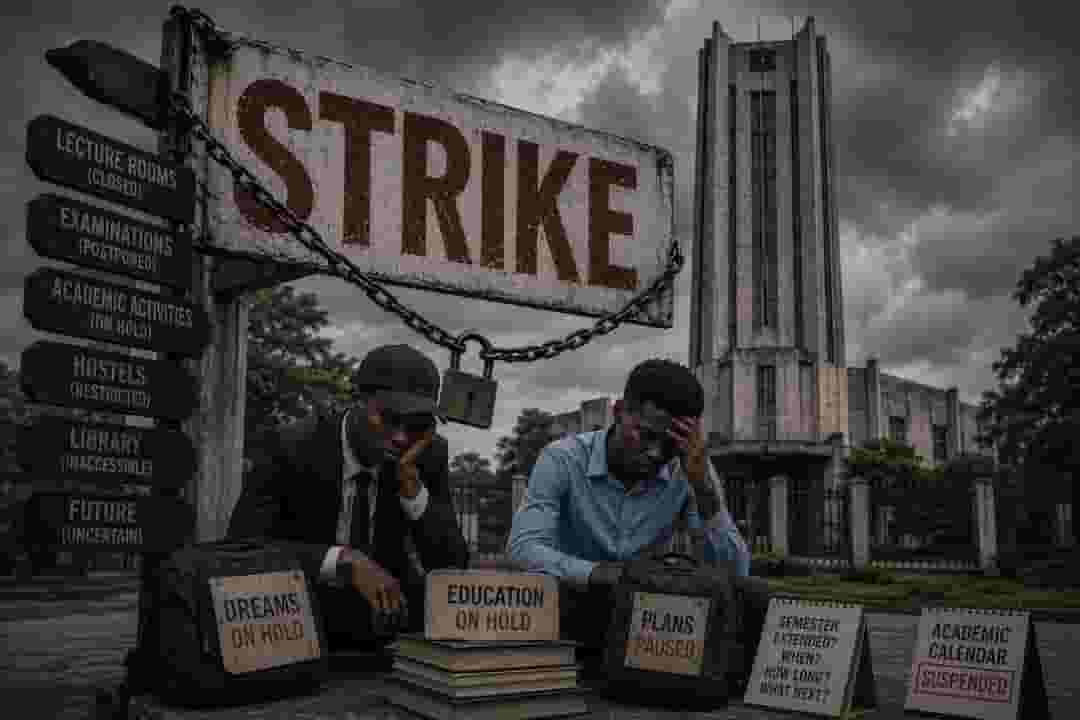
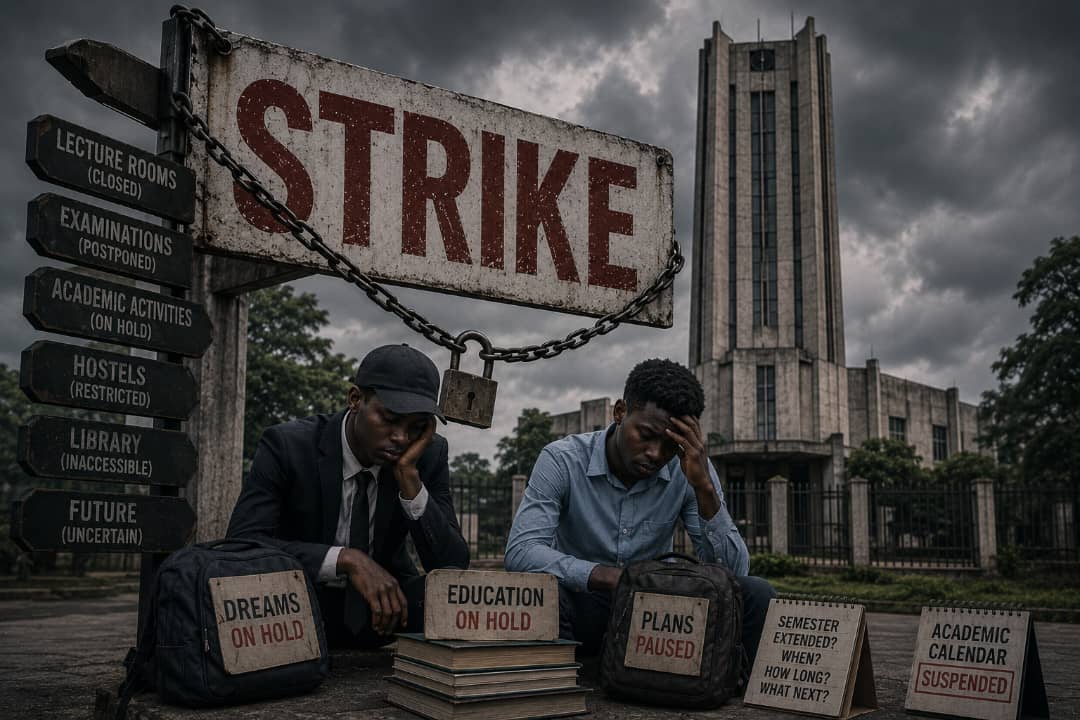
A strike is more than cancelled lectures. It is more than seeing “No Class Today” on a notice board. It disrupts the entire rhythm of student life. Lecture rooms are locked, class schedules disappear overnight, and academic activities suddenly come to a standstill. For students preparing for tests, practicals, presentations, or examinations, all plans are immediately thrown into confusion.
The effects become even more difficult when basic services on campus are affected. Water supply becomes unstable, electricity becomes unreliable, and school environments that should support learning become uncomfortable places to stay. In some situations, students are forced to deal with locked gates and restricted movement, creating a feeling of being stranded and uncertain about what to do next.
Beyond these physical inconveniences lies something people do not always see: the emotional pressure. Students constantly ask questions nobody around them can answer. When will classes resume? Will the semester be extended? How much longer do we have to wait? What happens to our academic plans? The uncertainty creates frustration, anxiety, and stress.
For some students, the impact is also financial. Parents and guardians continue to spend money while academic progress remains paused. Students who survive on limited allowances struggle with extra expenses caused by prolonged disruptions. Graduating students worry about delayed service year plans and postponed opportunities.
No one is denying the rights of workers to demand better conditions and fair treatment. However, it is difficult to ignore the fact that students continue to carry the weight of every unresolved conflict within the educational system. The very students the education system is meant to protect often end up paying the highest price.
The question remains: when institutions and unions sit at negotiation tables, who remembers the students waiting outside locked classrooms and dark hostels, hoping for things to return to normal?
Because if strikes continue to disrupt education while students continue to suffer in silence, then perhaps we should ask again: who really suffers?