

Reading time:5 min read
Editorial: Crumbling Foundations: Rebuilding UI's Infrastructure for the 21st Century
Adh-Dhikr Press Editorial Board
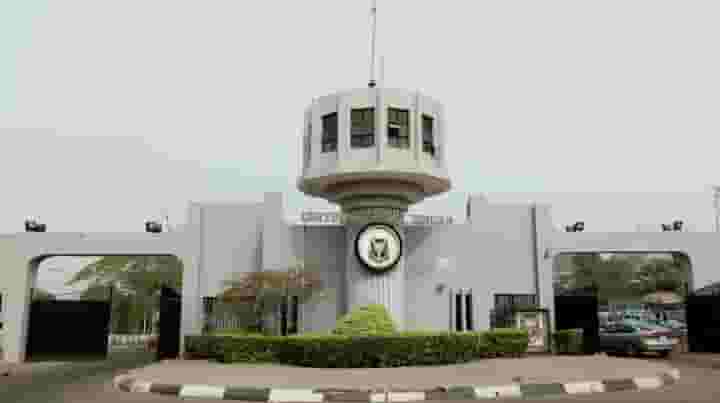
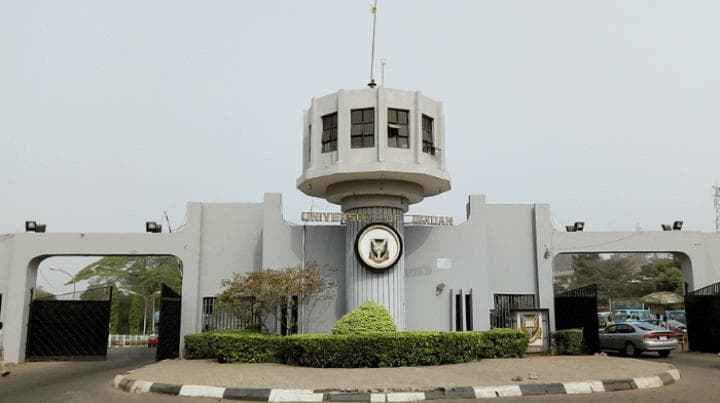
April 13, 2026When one hears the name University of Ibadan, what readily comes to mind is an institution steeped in history and prestige. Its hallowed lecture rooms have nurtured generations of scholars, leaders, and nation builders. Within its serene and expansive campus lie conducive halls of residence, vibrant libraries, and quiet corners that inspire reflection and intellectual growth. Yet the campus that produced leaders, scholars and innovators now reveals a different story: lecture rooms, hostels, and essential utilities are visibly and functionally failing, and cosmetic fixes cannot hide the deeper rot.
The heart of any thriving university is its physical and academic environment. Yet a casual walk into UI’s campus portrays a disappointing image: Lecture rooms once designed to inspire learning now bear cracked walls, peeling paint, broken seats, poor lighting and malfunctioning audiovisual equipment, which make meaningful engagement difficult for both lecturers and students. In some cases, students are packed into halls beyond capacity, straining what should be a functional learning environment.
On campus, halls of residence tell a similar story. Buildings constructed decades ago such as Tedder, Mellanby, and Idia Halls were intended for far fewer inhabitants than current enrolments demand. What were once modest but adequate rooms now accommodate more occupants than designed, creating discomfort and hygiene concerns. Unexpected outages in electricity compromise water supply, further turning basic living in these accommodations into a daily struggle for dignity.
In June 2025, students endured days without electricity or running water across multiple hostels, an episode that highlighted a recurring but intermittent problem that had been experienced at various times before and has reappeared occasionally since then. Beyond the discomfort, unreliable power and water supply constrain study routines and harm health standards in communal facilities.
Despite these pressing concerns, not all infrastructure within the university is in decline. Some new and upgraded lecture theatres, along with recent initiatives, show that progress is possible when commitment meets planning. These examples prove that the challenge facing the university is not impossibility, but inconsistency.
These challenges are not isolated to UI, but they have particular severity here because of the university’s prominence and expectations due to it being acclaimed as the first and best. At the heart of the problem is systemic underfunding. Federal allocations for education have persistently fallen short of UNESCO’s recommended benchmark of allocating 15–20% of total public expenditure to education, with actual spending often well below this threshold. Meeting UNESCO’s recommended benchmark of allocating 15–20% of total public expenditure to education would give institutions like UI greater capacity to plan long-term capital renewal rather than merely patch failing facilities. Without sufficient capital, infrastructural deterioration continues to occur.
Yet funding alone will not suffice to solve all those challenges. UI, like most public universities, suffers from a weak maintenance culture, where the infrastructure upkeep model is a reactive one rather than a proactive model. Routine repairs are deferred until crises erupt, while institutional planning for lifecycle maintenance remains limited. This not only accelerates physical decline but also imposes higher future costs on a cash-strapped system. Moreover, cosmetic repainting must not be mistaken for renovation, as structural repairs, plumbing, and electrical rewiring are costlier only because they were deferred.
Reversing this decay requires a multidimensional approach. Sustainable financing can combine annual federal budgetary allocation with targeted public-private partnerships, endowments and alumni investment. UI's recognition of strategic partnerships for hostel development in late 2025 is a positive step in this direction. Also, the university should institutionalise a maintenance model rooted in preventive facility management and transparent accountability. This includes routine lifecycle audits, publicly published maintenance schedules and clear performance metrics tied to facility outcomes.
UI’s legacy is its living talent and institutional memory. Its future depends on converting that heritage into a campus fit for future leaders. Rebuilding must go beyond appearances, it must create durable classrooms, safe hostels, and a maintenance system that treats infrastructure as central to education, not as an afterthought. Only then can Nigeria’s oldest university reclaim the environment its name deserves.