

Reading time:13 min read
Beyond the Headlines: Understanding El Niño and Its Health Implications
Hospital Visitation Committee
November 13, 2026El Niño!
You may have heard the name making headlines, seen it discussed on social media, or perhaps this is your first time encountering it. Beneath the name lies a climate phenomenon that could have far-reaching implications for weather patterns, food production, and human health.
In Nigeria, where extreme heat, rising food prices, and the livelihoods of millions remain major concerns, understanding El Niño is more than just learning about a weather event; it is about understanding the potential risks to our everyday lives. As concerns grow over its possible effects in 2026, this article explains what El Niño is, how it develops, the health risks associated with extreme heat, and the practical steps Nigerians can take to protect themselves, their families, and their communities.
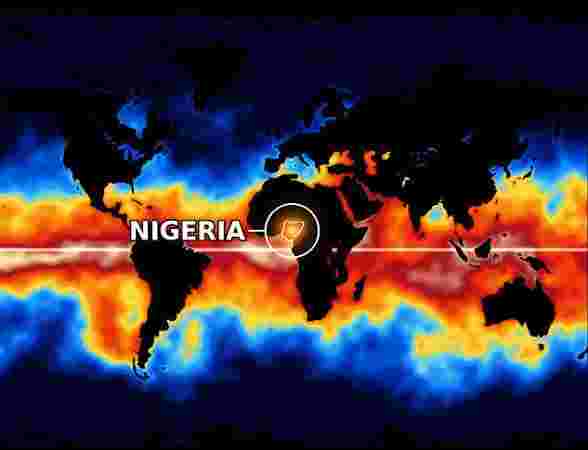
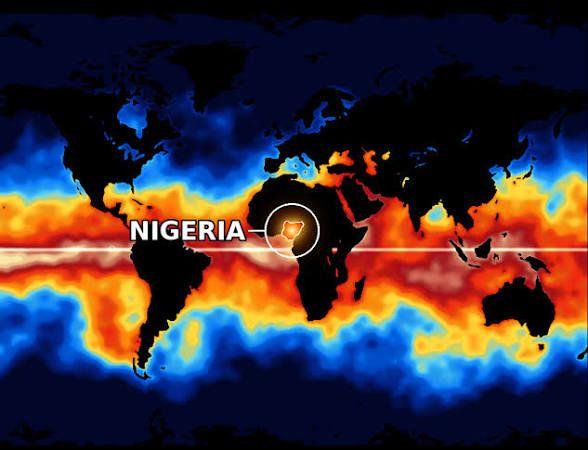
El Niño is a natural climate phenomenon that occurs when the surface waters of the Central and Eastern tropical Pacific Ocean become warmer than usual for a sustained period. It forms part of a climate pattern known as the El Niño–Southern Oscillation, which also includes La Niña, its cooler counterpart.
Under normal conditions, wind blows across the tropical Pacific Ocean, pushing warm surface water toward the western Pacific, around Southeast Asia and Australia, acting like a giant cooling system. During El Niño, these winds weaken, allowing warm water to spread eastward instead of pushing it away. This changes the movement of air, cloud formation, and rainfall, influencing weather patterns in different parts of the world.
The name El Niño means 'the Little Boy' or 'the Child' in Spanish. It was associated with the appearance of unusually warm coastal waters around Christmas, a phenomenon observed by fishing communities along the Pacific coast of South America.".
Scientists later established that the phenomenon extends beyond the coast and can influence weather across the globe. Although El Niño occurs naturally, its effects can be more serious in a world already experiencing human-induced climate change. Global warming raises background temperatures, increasing the dangers associated with extreme heat.
In September 2026, concerns about a developing El Niño attracted international attention as the World Meteorological Organisation warned that the phenomenon could strengthen towards the end of the year. A strong El Niño can increase the risk of extreme heat, drought, and flooding in different parts of the world.
However, its effects are not the same everywhere. Some regions may experience reduced rainfall, while others may receive heavier rainfall. The outcome depends on geographical location, atmospheric conditions, and other climate influences.
For Nigeria, it is therefore important to rely on local weather forecasts rather than assume that every part of the country will experience the same conditions. The Nigerian Meteorological Agency provides seasonal forecasts and weather updates that can help residents, farmers, and public authorities prepare for expected conditions.
One development that has raised public concern is a projection by the University of Chicago's Climate Impact Lab, which estimated that Nigeria could experience approximately 31,400 additional heat-related deaths between September 2026 and February 2027.
This estimate forms part of a wider projection of additional heat-related deaths globally during the developing El Niño event. The figures are intended to highlight the possible consequences of unusually high temperatures, particularly in places where access to cooling facilities, reliable water supplies, and healthcare may be limited.
However, it is important to understand that this figure is a model-based projection, not a report of deaths that have already occurred. It does not mean that 31,400 people will certainly die, nor does it establish that El Niño alone will cause those deaths. Actual outcomes will depend on temperature patterns, individual exposure to heat, existing health conditions, access to healthcare, and the preventive measures taken by individuals, communities, and government agencies. The warning should encourage preparation rather than panic.
Extreme heat can affect the human body in several ways. The body normally maintains a relatively stable internal temperature, but when environmental temperature becomes very high, especially when humidity is high, it may struggle to release enough heat to remain cool.
Prolonged exposure can cause dehydration and heat-related illnesses. It can also place additional strain on the heart and kidneys, worsening existing conditions, including cardiovascular disease and diabetes. People who may be particularly vulnerable include older adults, young children, pregnant women, people with certain chronic illnesses like hypertension, and individuals who work outdoors.
In Nigeria, farmers, construction workers, street traders, traffic officers, and other outdoor workers may experience prolonged exposure to high temperatures. People living in poorly ventilated buildings or without reliable access to cooling systems may also face difficulties during periods of extreme heat.
A major heat-related illness that people should understand is heat exhaustion. It occurs when the body loses excessive water and electrolytes through sweating, and struggles to cope with high temperatures. Its symptoms may include heavy sweating, headache, dizziness, weakness, nausea, muscle cramps, and excessive thirst. If these symptoms occur, the person should be moved to a cooler place, allowed to rest, and given water.
If the person is fully alert and able to swallow safely, they should be given cool water to drink. Children should receive age-appropriate fluids, while infants should continue their usual breast milk or correctly prepared formula feeds. Oral rehydration solution may be considered where appropriate to replace lost fluids and electrolytes. If symptoms worsen or do not improve promptly, medical attention should be sought.
Heatstroke is more severe and is a life-threatening medical emergency in which the body's temperature regulation fails. Warning signs may include confusion, unusual behavior, seizures, or loss of consciousness. The skin may be hot, and sweating may be present or absent. Anyone suspected of having heatstroke needs emergency medical attention. Immediate cooling with cool water and wet cloths should begin while emergency help is sought. Fluids should not be given to someone who is confused or unconscious.
Another important issue is the possible relationship between extreme heat and stroke. Although the terms sound similar, heatstroke and a medical stroke are two different conditions. Heatstroke results from the body's inability to regulate its temperature during severe heat exposure, whereas a stroke occurs when blood supply to some parts of the brain is interrupted or when a blood vessel in the brain bleeds.
Extreme heat can place additional strain on the cardiovascular system, and research has examined associations between high temperatures and cardiovascular events, including stroke. However, El Niño should not be described as a direct or inevitable cause of stroke. Established stroke risk factors include high blood pressure, diabetes, high cholesterol, smoking, and certain heart conditions. Managing these risks remains important regardless of the weather.
The public should learn to recognize the warning signs of a stroke. These include sudden weakness or numbness of the face, arm, or leg, particularly on one side; difficulty speaking or understanding speech; sudden vision problems; and sudden dizziness or loss of balance.
If a stroke is suspected, emergency medical care should be sought immediately. People should not assume that these symptoms are simply a result of heat or wait for them to disappear. Recognizing the difference between heat-related illnesses and stroke can help people respond appropriately and avoid dangerous delays in treatment.
Although individuals cannot control El Niño, there are practical steps that can reduce the risks associated with extreme heat. Drinking water regularly throughout the day is important, particularly for people who work outdoors or engage in physical activities. People with medical conditions that require fluid restrictions should follow their healthcare professional's advice.
Where possible, strenuous activities should be scheduled for cooler periods of the day, while regular breaks should be taken in shaded or cool places. Lightweight, loose-fitting clothing can help people remain comfortable, and living spaces should be kept as cool as possible by improving ventilation when outdoor air is cooler and blocking direct sunlight where practical.
Protecting vulnerable people is equally important. Families and communities should check on older adults, young children, people with disabilities, and those with existing health conditions during periods of intense heat. Employers should provide outdoor workers with access to drinking water, shade, and regular rest breaks.
Furthermore, schools, workplaces, and community organisations can also share reliable information about heat-related illnesses and encourage people to seek medical help when warning signs appear. People should avoid relying on unverified messages circulating on social media and instead monitor information from the Nigerian Meteorological Agency, health authorities, and other credible sources.
Preparing for extreme heat requires coordinated actions from both governments and communities. Authorities must improve public communication by issuing timely heat alerts, strengthening emergency health services, and providing practical safety guidance for schools, workplaces, and outdoor workers. Simultaneously, communities should ensure widespread access to drinking water, proactively check on vulnerable individuals who may need additional assistance, and amplify public awareness campaigns.
Long-term resilience strategies are equally vital. Increasing tree cover, protecting green spaces, and designing buildings to minimize heat accumulation can significantly cool local environments and keep residents safe. These measures are especially critical because extreme temperatures often trigger cascading disasters.
Prolonged periods of extreme heat and dry conditions can reduce moisture in soil and vegetation, increasing the risk of wildfires in susceptible regions. Such fires can damage ecosystems, destroy agricultural resources, threaten livelihoods and expose nearby communities to harmful smoke.
Changes in rainfall patterns can affect Nigeria's agriculture, food security and water supply. To protect livelihoods and prepare for possible droughts or flooding, farmers and government agencies must rely on updated regional forecasts to guide planting decisions and resource management.
Ultimately, Nigerians need to understand that El Niño is a natural climate phenomenon, not a disease. Its effects are experienced through changes in weather patterns and the environmental conditions that influence everyday life.
It does not automatically mean that every country will experience drought, flooding, or extreme heat, and the projected number of heat-related deaths is not a confirmed death toll. Understanding these facts allows the public to respond with knowledge rather than fear.
El Niño is a reminder that climate conditions can have consequences beyond the environment, affecting health, agriculture, livelihoods, and the wellbeing of communities. For Nigeria, the appropriate response is to understand the science, follow reliable forecasts, protect vulnerable people, and prepare for possible risks.