
Reading time:3 min read
Aquagenic Pruritus: Itching without Rash
Abdulkabir Adeshina
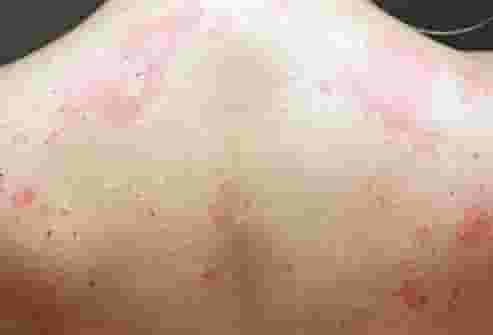
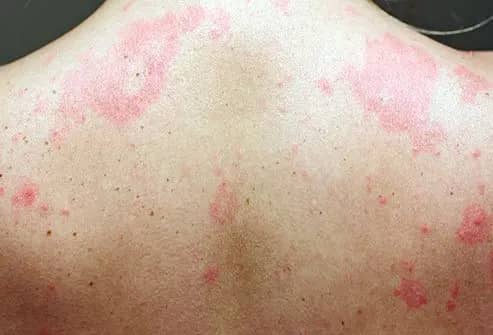
December 11, 2025The shower was relaxing and soothing, until I started washing my legs. An unbearable itch erupted, making me scratch like a madman desperate for relief. No rash or lesion appeared due to the scratching. It wasn’t until later that I discovered the name for this strange, invisible reaction: Aquagenic Pruritus.
Aquagenic pruritus is a skin condition characterized by severe, prickling-like discomfort that occurs without any visible lesion. It is triggered by contact with water, whether from bathing, showering, sweat, or even tears. The itching is usually felt during or after a bath and can last anywhere from 2 to 120 minutes.
"A large epidemiological study reported it in as many as 25% of young adult Nigerians" (pro.dermnetnz.org).
This disorder is idiopathic, meaning it has no specifically known cause, but it has been linked to degranulation of mast cells, which release histamine. In some cases, it could indicate an underlying condition, such as overproduction of blood cells (polycythemia vera) or other blood-related malignancies. Visiting a doctor, preferably a dermatologist, should be the first line of action for anyone experiencing this symptom.
Features indicating this disorder include:
1. Scratching during or after a bath
2. Itching on the arms, trunk, and legs, mostly the legs, and rarely the face
3. It does not occur on body parts covered by mucosa, such as the gastrointestinal or reproductive tracts
Aquagenic pruritus is usually diagnosed by eliminating the possibility of other causes of body itching. Since no specific cause has been traced, there is no definitive cure. However, professional observation and treatment can help manage it. If it is due to certain medications, stopping the medication may help, with further monitoring of symptoms.
Natural remedies and lifestyle adjustments can also help:
1. Use a soft sponge or foam to minimize skin irritation
2. Apply baby oil to form a protective layer between water and the skin
3. Add baking soda to water to raise its pH
4. Bathe in lukewarm water rather than hot water
Aquagenic pruritus can make bathing difficult and even cause aversion to it. However, understanding the condition is key. With professional guidance, gentle skincare, and simple lifestyle adjustments, the itching can be managed. If you notice unexplained itching after contact with water, consult a healthcare professional to protect your skin and reclaim the comfort of your showers.