

Reading time:6 min read
Antimicrobial Resistance: A Silent Pandemic
Taofeeqat Adigun
November 10, 2026A new pandemic is not coming; it is already here. We just haven't treated it like one.
At one point or another, we all have complained that a medicine that once treated an infection rapidly now seems to take longer, or that a medicine that worked previously, now barely works at all. When this happens, we often blame the manufacturer, the medicine itself, or conclude that we need something stronger.
But what if the problem is not always the medicine? What if the organisms causing the infection have simply learnt how to survive it?
As a typical Nigerian student after a long day of lectures, you tend to be tired, dehydrated, or develop a headache. You reach for paracetamol, but someone asks, “Are you sure it’s not malaria?” In no time, you start taking an antimalarial without surety of what the illness is. Another day, a sore throat sends you to a nearby pharmacy or patent medicine store, or a roommate recommends an antibiotic that worked for them. You might even have a few leftover tablets from your previous illness, and because self-medication is so common, you forget that how you use these medicines matters.
While excessive use of Paracetamol has its own side effects, it is not an antimicrobial and does not cause antibiotic resistance. However, the story is quite different for antibiotics. Unnecessary or inappropriate use of antibiotics and other antimicrobials gives microorganisms more opportunities to survive, adapt and become resistant to the medicines meant to destroy them. And that is specifically where a seemingly harmless decision can become part of a much bigger public health problem: Antimicrobial Resistance.
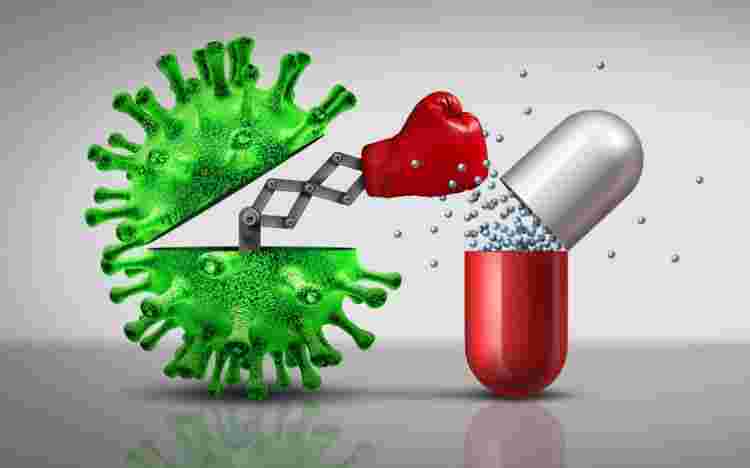
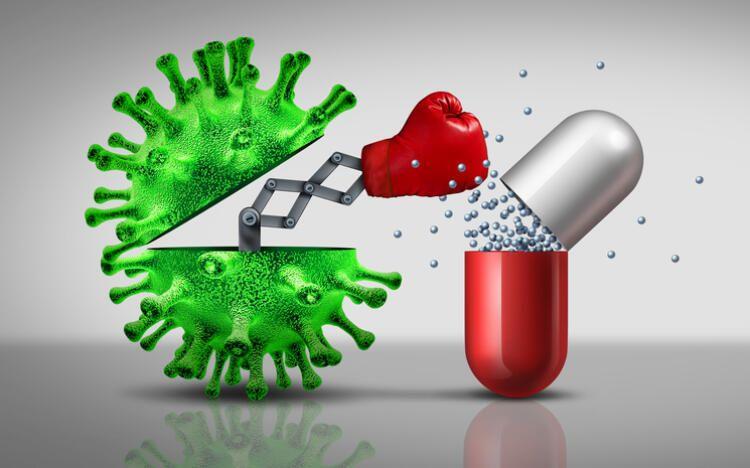
Antimicrobial Resistance, according to the World Health Organization (WHO), occurs when bacteria, viruses, fungi, and parasites change over time and no longer respond to medicines like antibiotics, antivirals, antifungals, and antiparasitics. This can make infections harder to treat, increase the risk of complications and death, and leave healthcare professionals with fewer effective treatment options.
Every unnecessary or inappropriate exposure to an antimicrobial creates an opportunity for microorganisms to become resistant. Nigeria already faces a significant burden of antimicrobial resistance, and challenges such as self-medication, inappropriate antibiotic use, limited access to diagnostics, antimicrobial misuse in healthcare and agriculture, and gaps in infection prevention can make the problem harder to control.
It is understandable that undergoing tests before taking medications is not always that simple. A student may not have the necessary funds for a consultation and laboratory tests. A clinic may be far away. The nearest patent medicine store may be easier to reach than a doctor. Sometimes, people simply cannot afford to lose an entire day waiting at a hospital, so they improvise and self-medicate. But, in any case, the fact that a behaviour is understandable does not mean that it is harmless.
Taking antibiotics because you have a fever does not mean you are treating the cause of the fever. Many infections are viral and do not require antibiotics at all. Taking an antibiotic left over from a previous illness does not guarantee that it will treat your current infection. And stopping or changing treatment without professional guidance can contribute to inappropriate antibiotic use.
There is also the popular belief that stronger antibiotics are always better. They are not.
An antibiotic is not better just because it sounds stronger, costs more, or is reserved for more serious infections. The right antimicrobial depends on the infection, the organism involved, resistance patterns and the individual patient. Using broader or more powerful antibiotics unnecessarily can contribute to the very resistance we are trying to prevent.
This is why antimicrobial stewardship matters. At its simplest, antimicrobial stewardship means using antimicrobials appropriately: the right medicine, for the right infection, at the right dose, for the right duration, when it is actually needed.
And this is not something only doctors and pharmacists should care about.
As students, we should start with ordinary decisions such as not sharing antibiotics with friends. We should also stop keeping leftover antibiotics as a personal emergency stash. We should stop assuming that every fever is malaria or every sore throat needs an antibiotic. We should get tested and properly assessed before taking treatment. We should also follow prescriptions properly instead of adjusting them ourselves because we feel better.
Most importantly, we can resist the urge to treat every symptom immediately. Sometimes, after a long day, what you need is not an antibiotic or an antimalarial. Sometimes, you need water, food, sleep, or rest, and other times, you may genuinely need medical care. Knowing the difference is exactly why proper assessment matters.
Antimicrobial Resistance is called a silent pandemic because it does not happen at once. Resistance grows quietly in our hospitals, communities, farms and homes, until the medicines we have relied on for decades become less effective.
Therefore, preventing it requires more than developing new or stronger antibiotics. It requires us to preserve the effectiveness of the medicines we already have.